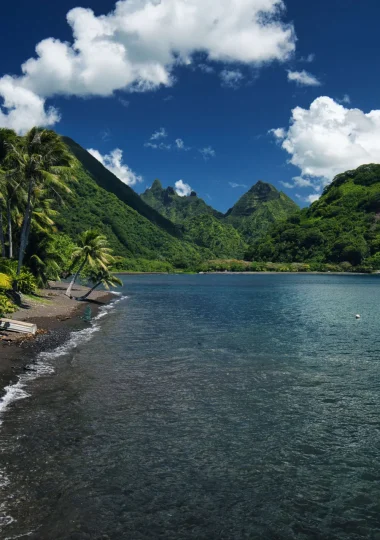
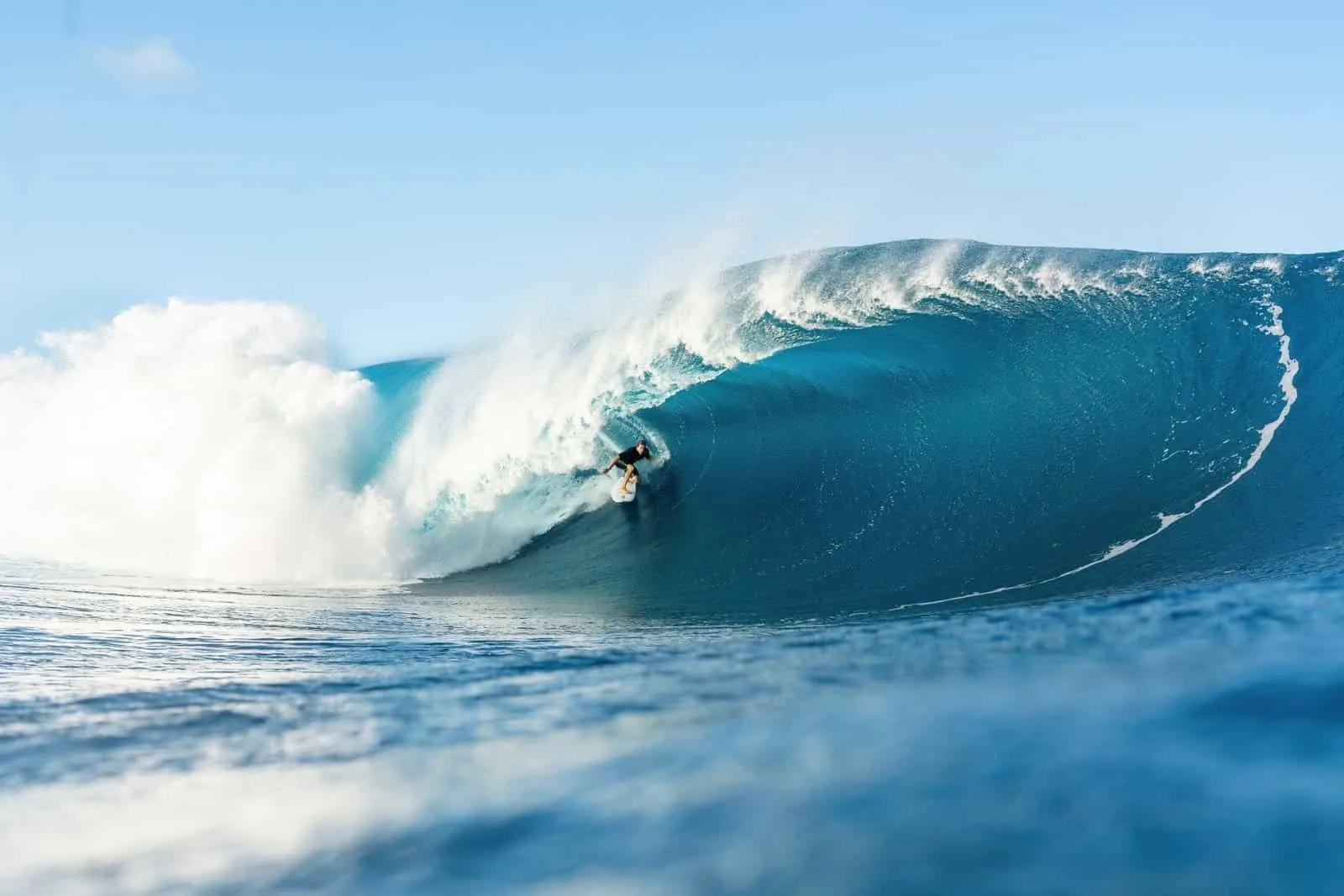
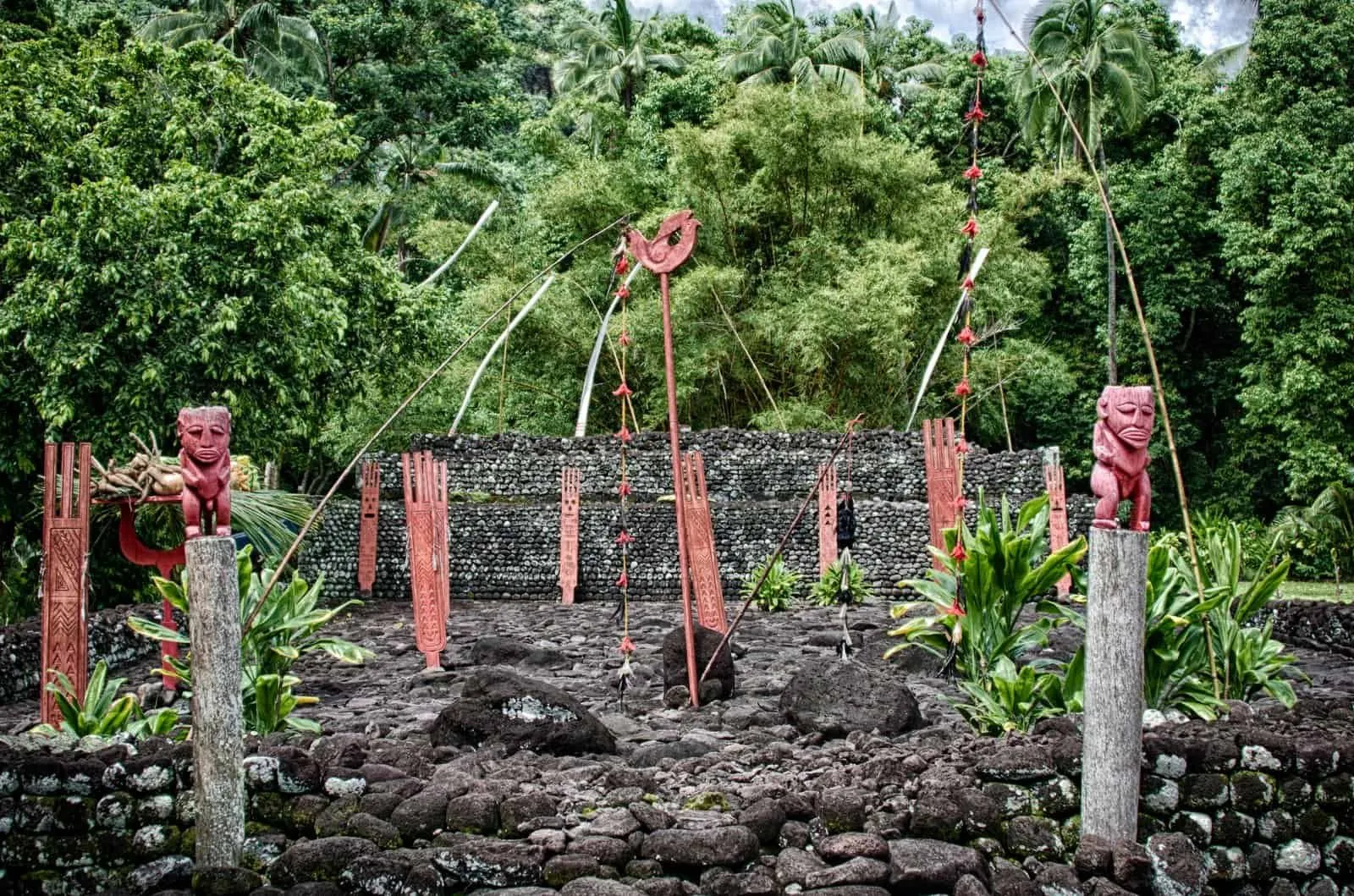
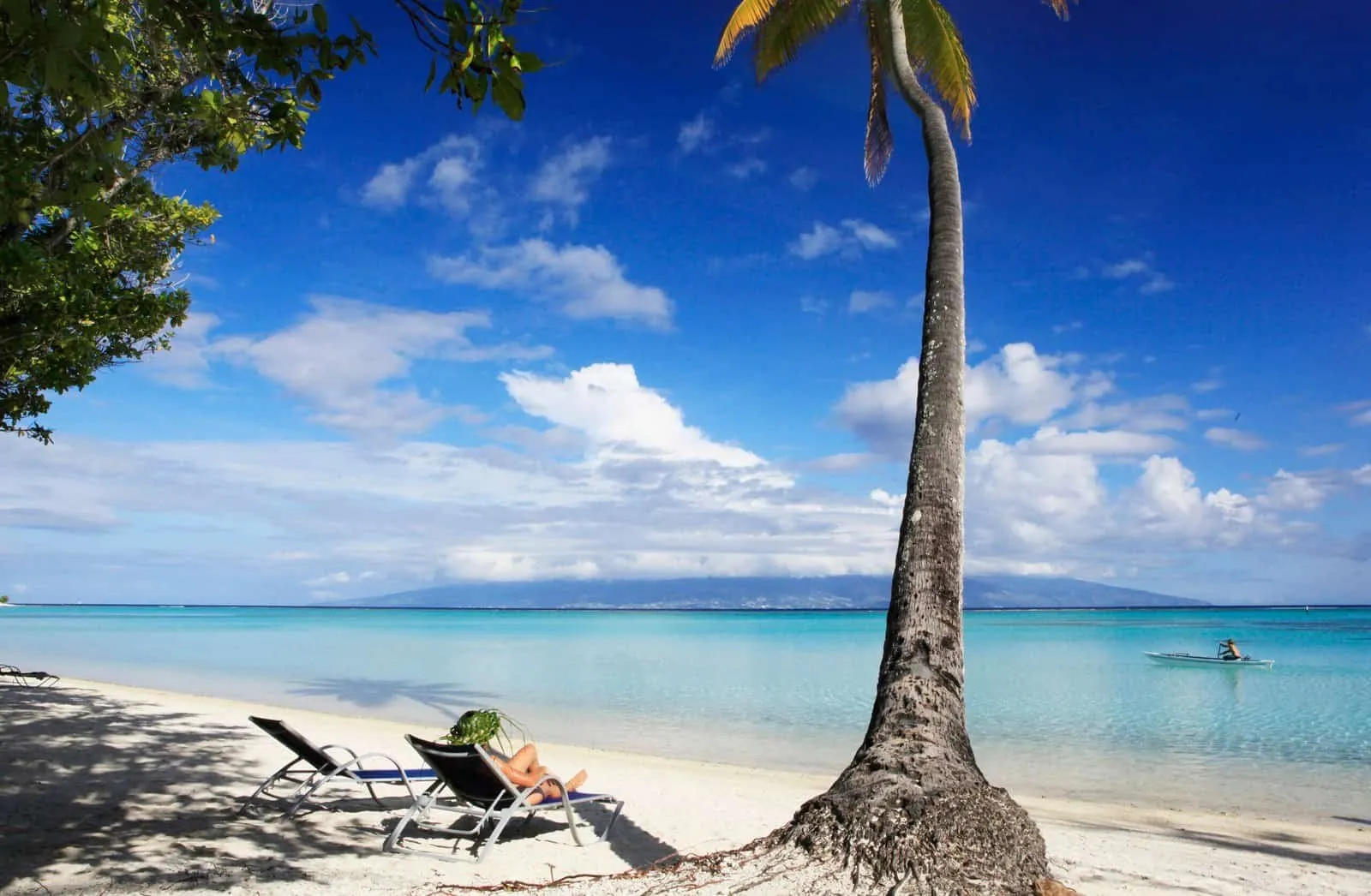
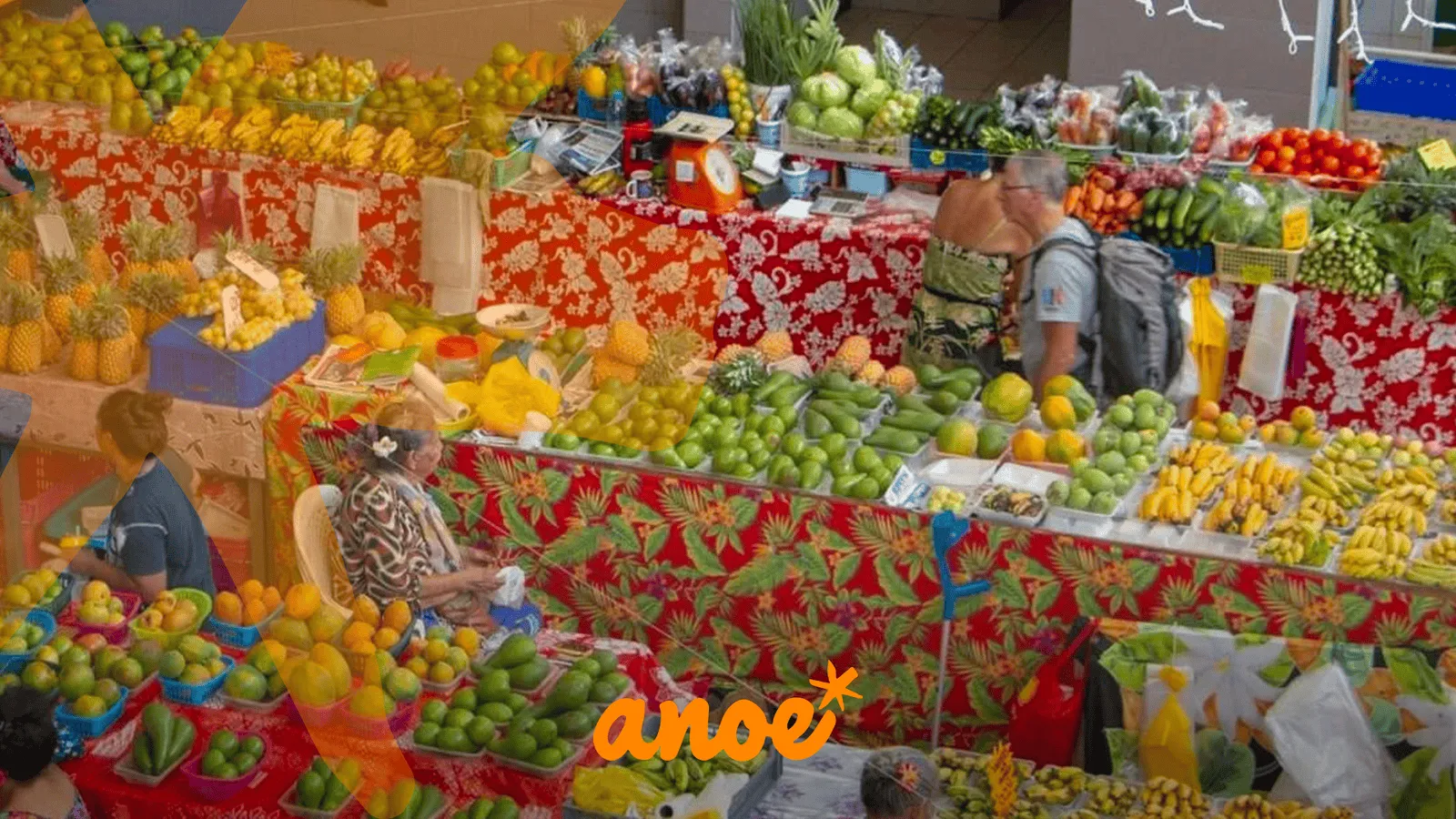
The largest island and international gateway to French Polynesia, Tahiti combines vibrant local culture with spectacular natural scenery. Explore the colorful markets and waterfront of Papeete, hike through lush valleys to waterfalls, surf legendary waves like Teahupo'o, and discover black-sand beaches. It's the best island for experiencing everyday Polynesian life, food, and culture.
Tahiti in pictures
 Tahiti Tourisme
 Tahiti Tourisme
Places on Tahiti
55A pareo shop in the centre of Papeete, a few steps from the market.
A pareo shop in the centre of Papeete, a few steps from the market. The pareos are drawn by hand, with patterns that come from nature and from the tifaifai quilts of the grandmothers.
A small restaurant on the lagoon at Punaauia, on Tahiti’s west coast, with Moorea across the water.
A small restaurant on the lagoon at Punaauia, on Tahiti’s west coast, with Moorea across the water. Quiet and intimate, the kind of place for a dinner for two.
The parliament of French Polynesia, behind the main post office in Papeete.
Open in MapsThe parliament of French Polynesia, behind the main post office in Papeete. Its 57 members are elected for five years and vote the country’s laws. The garden around it is open to walk in, and the building stands where the palace of the Pomare queens once was.
Open in MapsA seafood restaurant on the water at Punaauia, on Tahiti’s west coast.
Open in MapsA seafood restaurant on the water at Punaauia, on Tahiti’s west coast. Ask for a table at the end of the pier and you eat with Moorea straight ahead.
Open in MapsA microbrewery in Papeete, open since 2020. Hoa means friend in Tahitian, and the place runs like one: beers brewed on site, concerts and open stages in the evening, and they show you round the brewhouse with a tasting if you ask.
Open in MapsA waterfall deep in the Papenoo valley, on Tahiti’s east coast.
A waterfall deep in the Papenoo valley, on Tahiti’s east coast. You reach it up the valley track, about two hours by electric mountain bike from the valley entrance, with rivers to swim in on the way.
In depth
Tahiti: everything you need to know before you go
Beyond the airport: the market, the valleys, Teahupo'o and the west coast - how to give the main island the days it deserves.
Most visitors use Tahiti as a door to the other islands. Stay a little, and you find the real center of Polynesian life. The biggest island, the highest mountains, the capital, the markets, and the most famous wave in surfing: give Tahiti days, not hours.
Where is it?
Tahiti is the main island of French Polynesia, in the Windward Islands. It is really two round islands joined by a narrow strip of land at Taravao: Tahiti Nui, the big part, with Papeete in the northwest - and Tahiti Iti, the wild peninsula. At its end sits Teahupo'o, where the road stops and the famous wave begins.
How do you get there?
You arrive here: all international flights land at Faa'a, and every island flight and Moorea ferry starts here. The real question is how to get around. Rent a car for the island, and take the ferry for Moorea. Plan extra time on the coast road - it is the only road, and everyone shares it.
When should you go?
May to October is the drier, cooler season. November to April is warm, wet and green. Humpback whales pass from about July to November. The big waves at Teahupo'o also come mostly in the dry months - so surf season and dry season are almost the same.
What to do
- Start at the Papeete market. Two floors of fruit, fish, monoï (the scented coconut oil), flowers and weaving - the island's living room. The market is at its best early in the morning, and earliest of all on Sunday.
- Drive into the valleys. The Papenoo valley cuts through the green heart of the island, past waterfalls and old trails - a 4x4 day trip into a Tahiti most visitors never see. The Faarumai waterfalls, near the north coast, are an easier short walk into the same green world.
- Go to the end of the road. Teahupo'o, at the tip of the peninsula, is a village first and a legend second. From a taxi boat you can watch the surfers on the wave. From the shore, you can feel why they respect it.
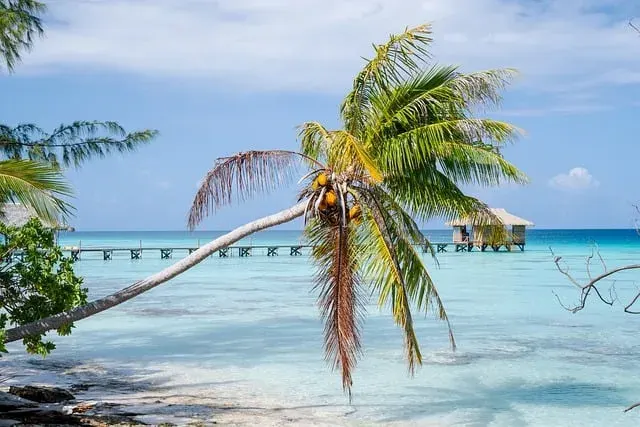
- Swim the west coast. Black-sand beaches, sunsets over Moorea, and easy snorkelling along the Punaauia coast. Tahiti's lagoon is simpler to enjoy than people think.
- Eat at the roulottes. In the evening, the food trucks set up and the whole island lines up together: grilled fish, chow mein, crêpes. It is the cheapest good dinner in French Polynesia, and the most local one.
Where to stay
Papeete keeps you close to the market, the ferries and the little nightlife there is. The west coast - Punaauia, Paea - has the beaches, the sunsets and most of the hotels. The peninsula is for surf and quiet. There are family guesthouses all around the island, and they are easy to reach.
Is Tahiti for you?
Tahiti is for travellers who want to see Polynesia at work: a real city, real traffic at rush hour, and under it all, the deepest culture, food and history in the islands. It is not the postcard lagoon - Moorea and the atolls do that better. Give Tahiti two or three days at the start or end of your trip. It may quietly become one of the reasons you come back.
Practical tips
- Rent a car - the island is bigger than it looks, and buses are rare.
- Go to the market early - by mid-morning the best fish and flowers are gone.
- Rain showers pass quickly on the north and east coasts - wait a little before you cancel a plan.
- Much of the interior is protected land - visit the valleys with a local guide.
- Bring a light jacket for the mountains - the interior is much cooler.
That is Tahiti.
23 places · 34 guides · 25 things to know
Also nearby
Stories · 1 min
Hina, the moon, the eel and the birth of the coconut tree
Hina is one of the most tender and ever-present figures in Polynesian mythology, often linked to the moon.
One of her most famous legends tells the origin of the coconut tree. Hina, a young princess from Papeari, is promised to a prince who turns out to be a giant eel, lord of Lake Vaihiria. Frightened, she flees to the peninsula, to Vaira’o, where she finds refuge with the god Māui.
The eel is eventually beheaded; Māui entrusts its head to Hina, warning her never to set it down on the ground. One day, Hina forgets: the moment she puts it down, the earth opens and swallows the eel’s head. Soon a plant springs up and rises toward the sky: the first coconut tree, tumu ha’ari.
That is why, they say, the coconut still bears three dark marks: the two eyes and the mouth of the eel. And the silhouette of the palm evokes the eel standing upright.
Also on Anoe: [Puhi tari’a, the sacred eels of the valleys](/islands/tahiti/puhi-taria-anguille) - the eel is a sacred animal, recurring in the legends of the fenua.
Read next
1 min
Read next