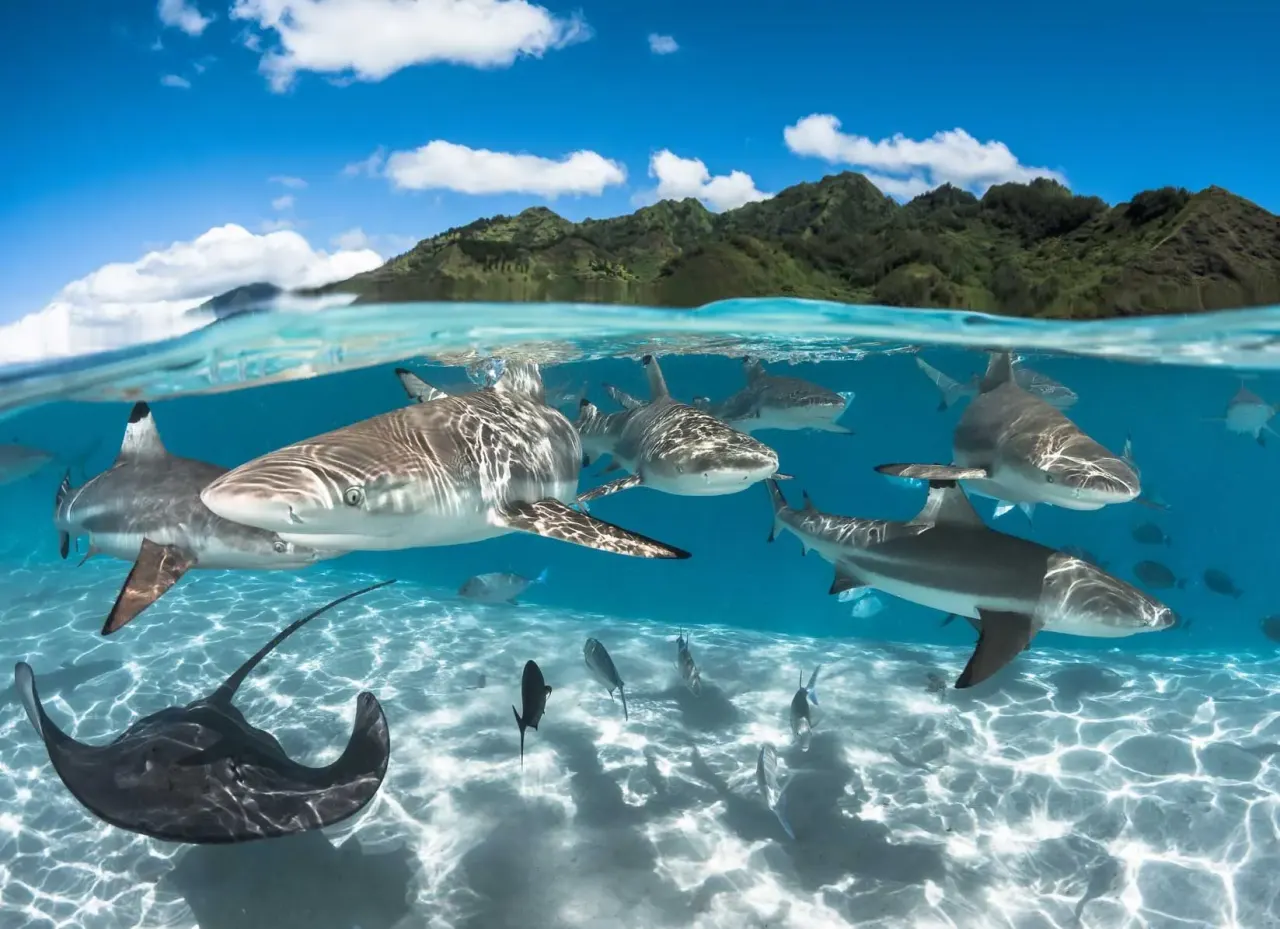
One of the largest coral atolls in the world, Rangiroa is considered one of the planet's top diving destinations. Its famous Tiputa Pass offers encounters with dolphins, sharks, manta rays, and large pelagic fish, while the Blue Lagoon and nearby vineyards provide unique excursions above the water.
Rangiroa in pictures
Tahiti Tourisme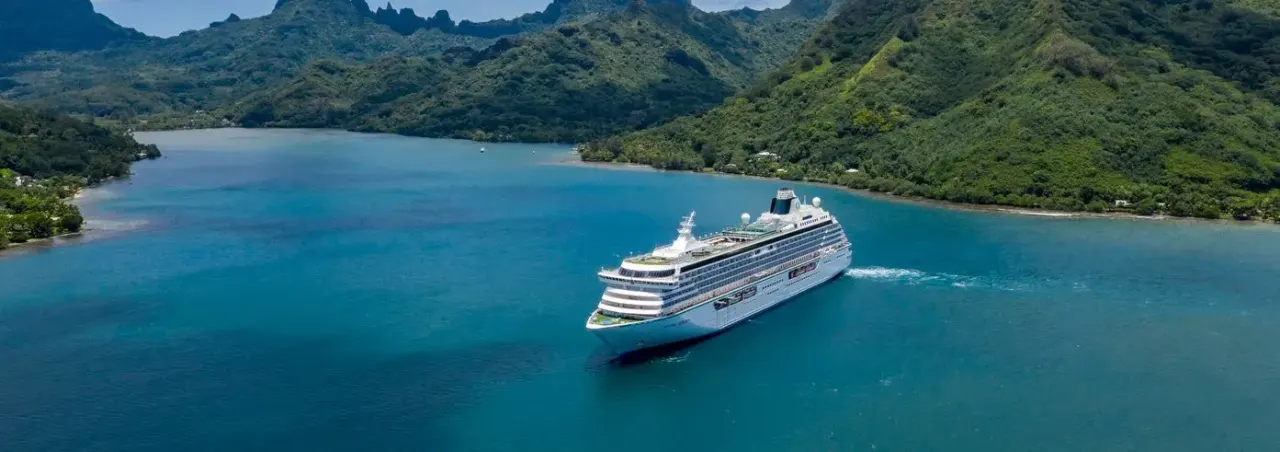 Tahiti Tourisme
Places on Rangiroa
2One of Rangiroa’s two passes, at the west end of the atoll’s northern rim.
One of Rangiroa’s two passes, at the west end of the atoll’s northern rim. The current runs hard here and the drift dives are fast and lively. For intermediate to advanced divers.
Rangiroa’s famous pass, next to the village of Tiputa.
Rangiroa’s famous pass, next to the village of Tiputa. Divers ride the incoming current past grey sharks, hammerheads and Napoleon wrasse, and the resident bottlenose dolphins often come to play. From the shore you can watch the dolphins jump in the pass.
While you plan
Worth reading
 Travelling between the islands of Tahiti: how do I book a ticket?3 min
 Dangers you may encounter in Tahiti1 min
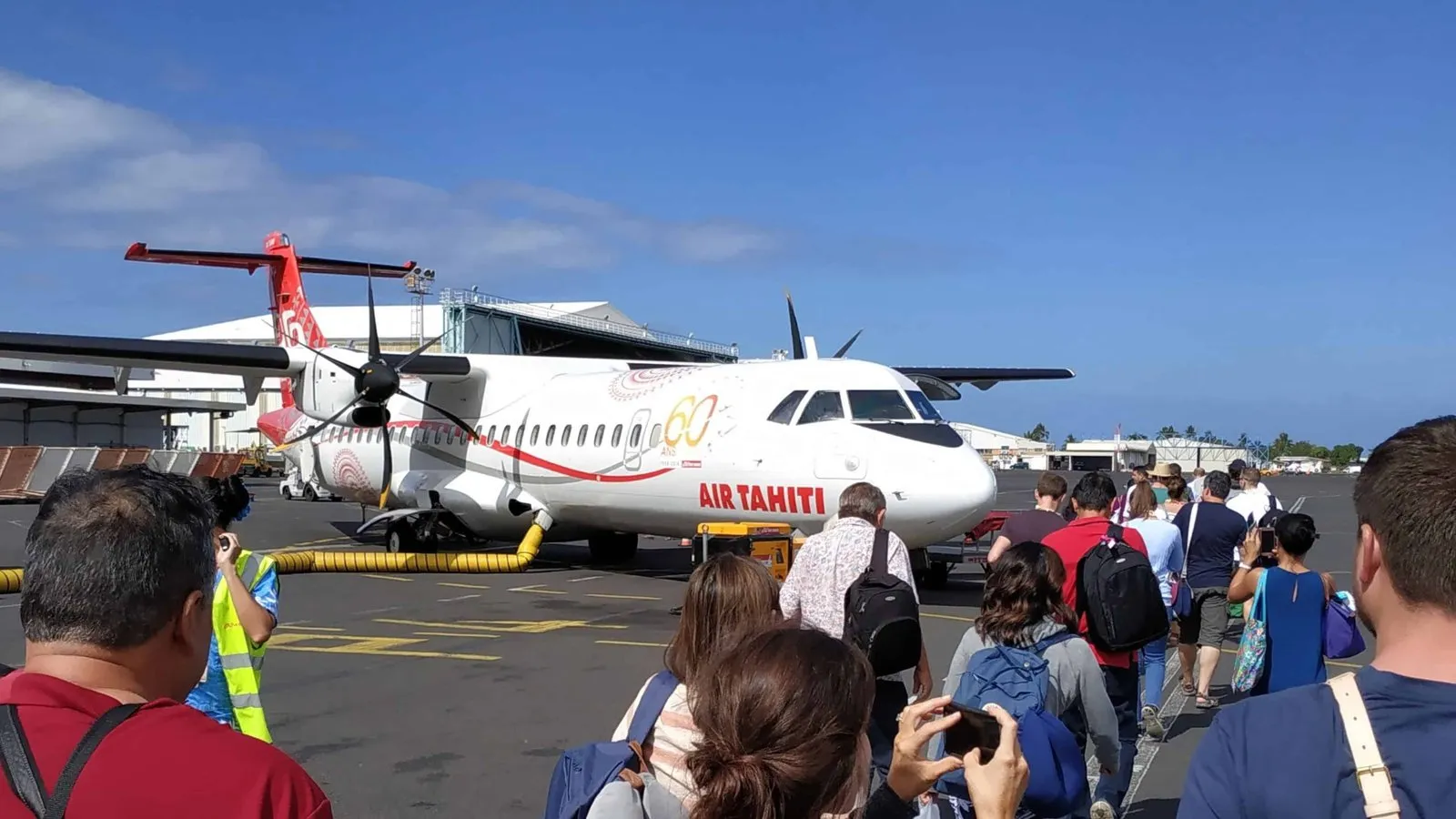 Tahiti airport: all the practical information3 min
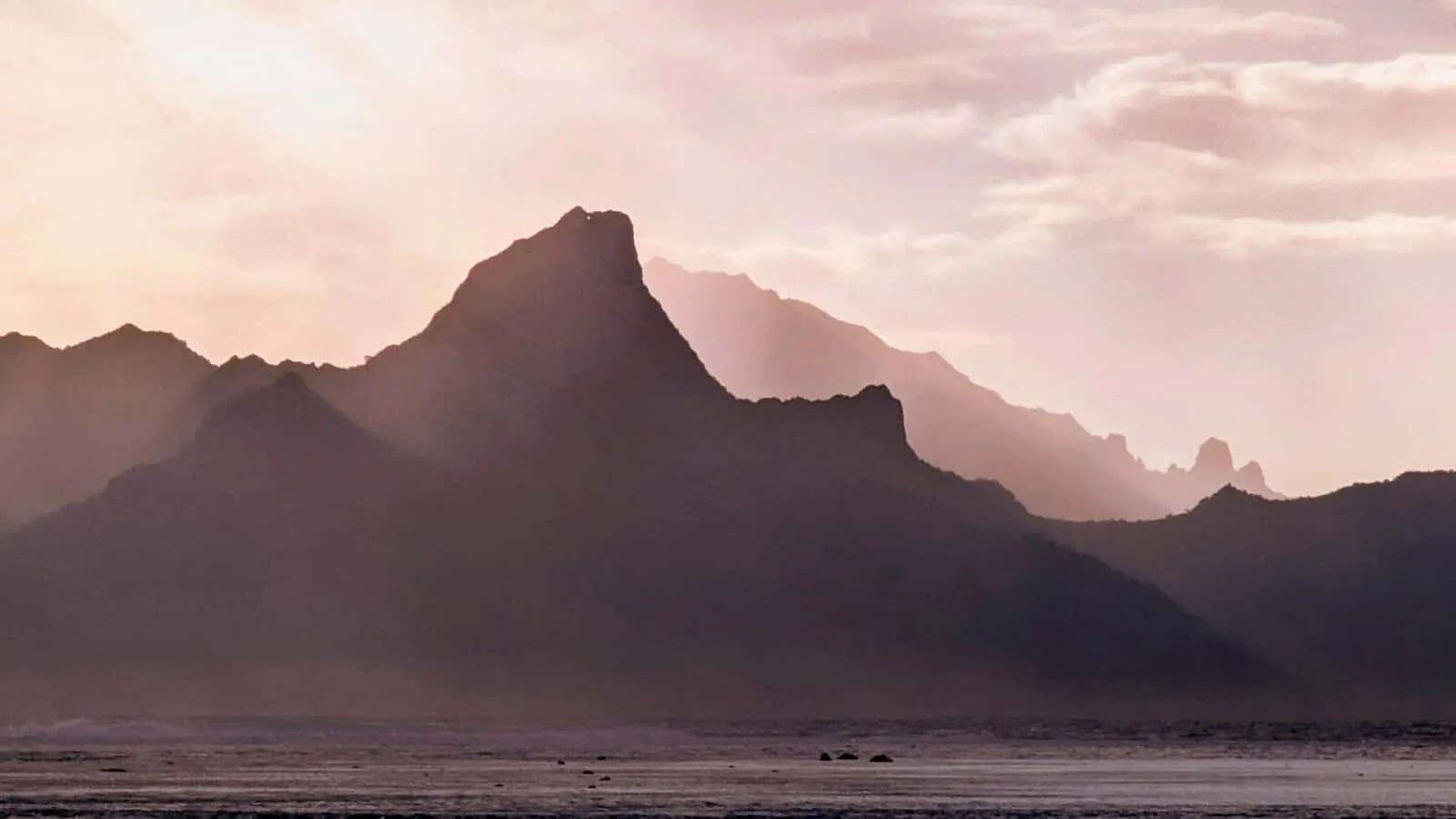 Polynesia: 8-day itinerary in the footsteps of legends7 min
In depth
Rangiroa: everything you need to know before you go
The passes, the dolphins, the Blue Lagoon: a practical guide to one of the biggest atolls on earth.
Rangiroa is not an island - it is a ring of coral around a lagoon so large the far side sits below the horizon. One of the biggest atolls on earth, it lives by its two passes, where the ocean pours in and out twice a day and everything that swims comes to ride the current.
Where is it?
Rangiroa lies in the Tuamotu archipelago, about an hour's flight northeast of Tahiti. Life gathers on the northern rim, on the strip of land between the two passes: Avatoru village at one end, Tiputa village across the water at the other.
How do you get there?
Direct flights from Tahiti take about one hour. The airport sits on the northern rim; pensions and lodges pick up their guests along the single road. Getting around after that is by bike, scooter or boat - mostly boat.
When should you go?
The Tuamotu are warm and swimmable all year, drier and breezier from May to October, warmer and stiller from November to April. What matters here is less the season than the tide: the passes change character with the current, and the dive centres plan around it daily.
What to do
- Dive the Tiputa pass. One of the most famous dives in the world: on the incoming current, divers drift through the pass among sharks, rays, turtles - and in season, great hammerheads. The resident bottlenose dolphins often come to play with the bubbles.
- Watch the dolphins at sunset. From the point beside Tiputa pass you can watch them surf the standing waves of the outgoing current - a free show, every evening the sea cooperates.
- Cross to the Blue Lagoon. A lagoon inside the lagoon, on the far western rim: a natural pool fenced by motu and coral, an hour's boat ride that feels like leaving the world.
- Snorkel the Aquarium. Near the pass, a shallow coral garden thick with fish - the easy counterpart to the big dives, perfect between two boat days.
- Taste the improbable. Pearl farms dot the lagoon, and one motu even grows vines - the only vineyard in French Polynesia. An atoll keeps its surprises dry and salty.
Where to stay
Everything lives on the Avatoru-Tiputa strip: dive lodges, family pensions, a few small hotels facing the lagoon. Divers cluster near the passes; everyone else picks a stretch of quiet and settles into it.
Is Rangiroa for you?
Rangiroa is for people whose holiday happens underwater - divers above all, and snorkellers who don't mind a boat. On land the atoll is flat, narrow and quiet; after the lagoon, the main activity is watching it change colour. If you need mountains or evenings out, this is not the place. If your best hours have a mask on, few places on earth compare.
Practical tips
- Book dives ahead in high season - the centres are small and the passes are the schedule.
- Bring reef shoes and a rash guard; sun on the water is relentless.
- Carry cash for the villages; services are simple.
- The wind is part of atoll life - a light windbreaker earns its place in the bag.
That is Rangiroa.