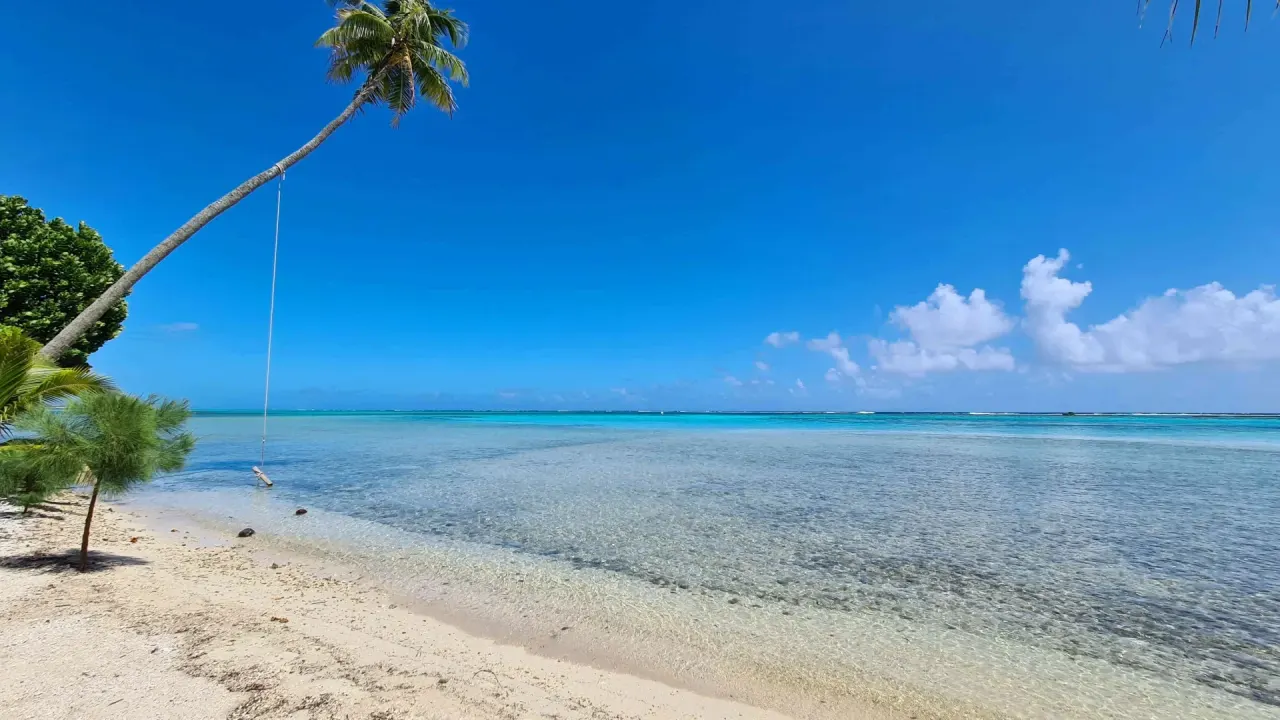
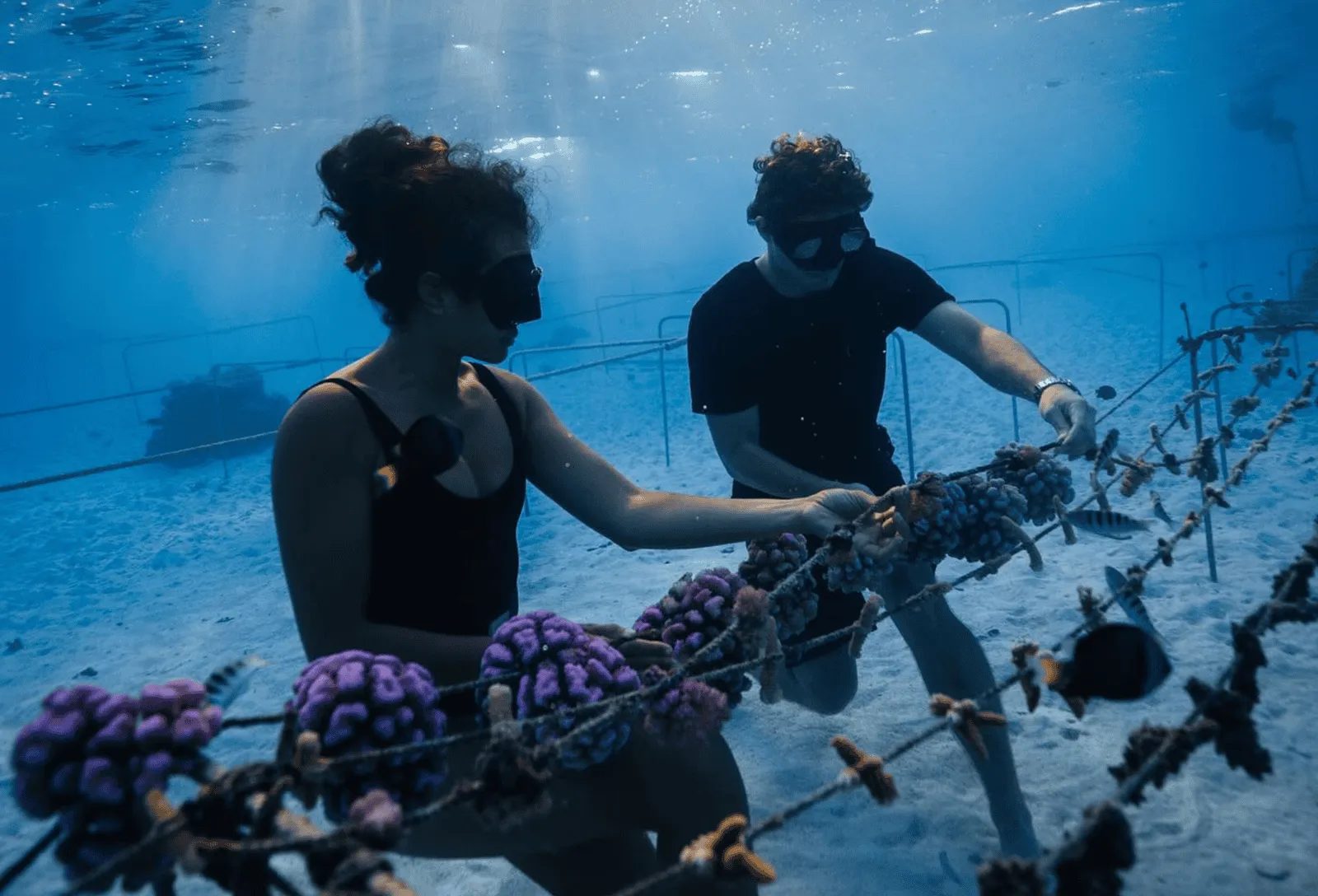
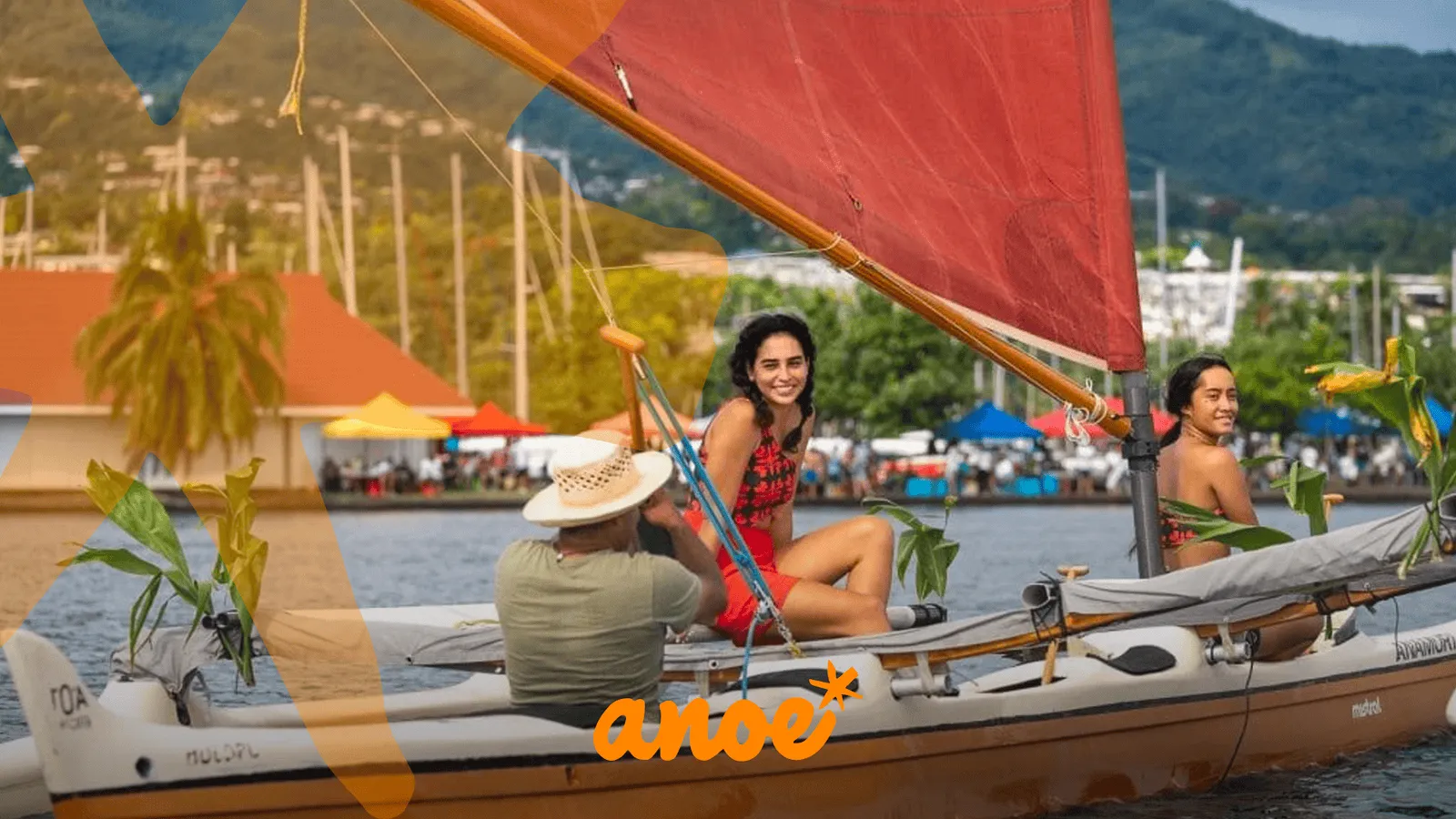
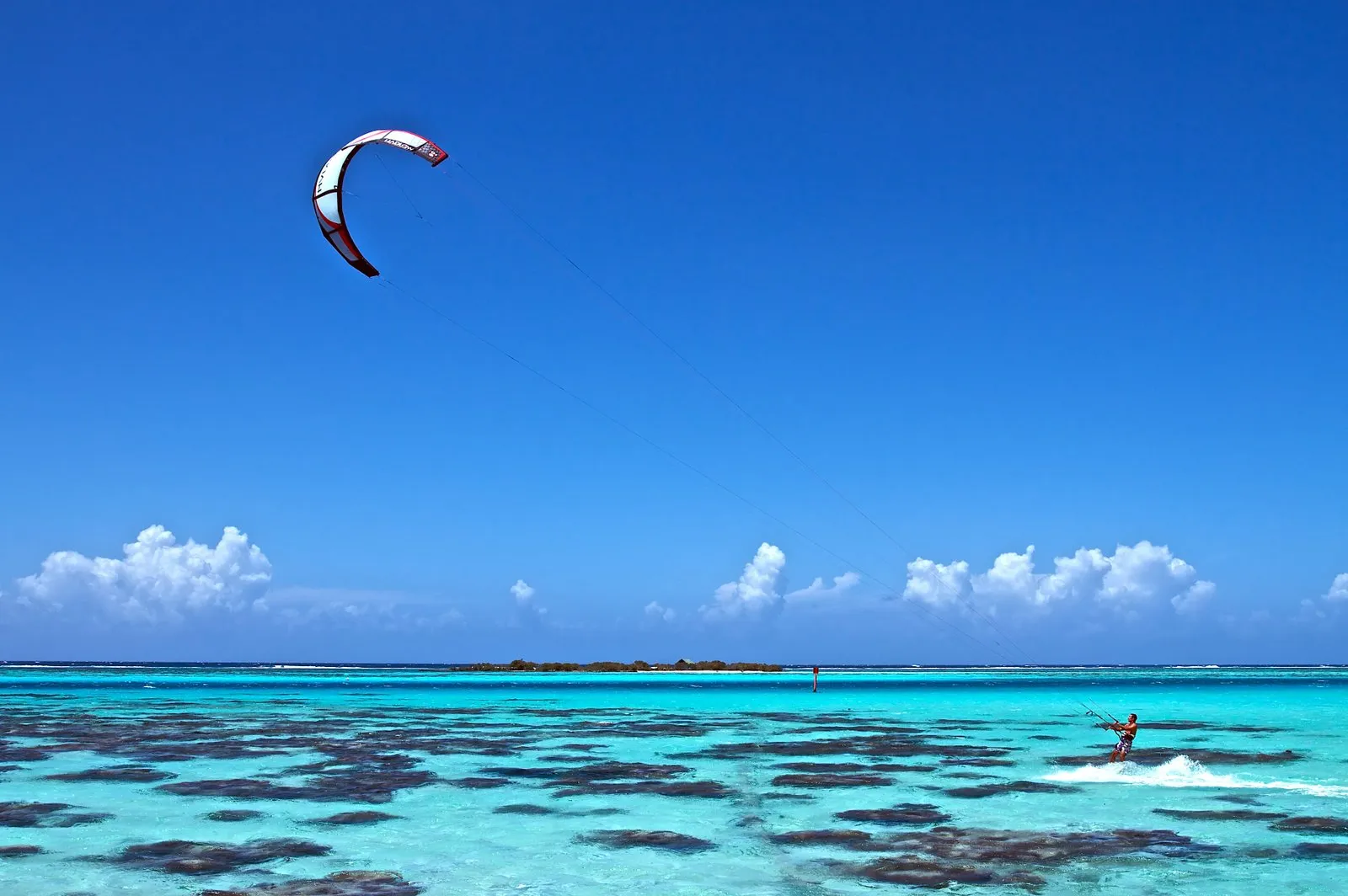
Just 30 minutes by ferry from Tahiti, Moorea is famous for its jagged volcanic peaks, emerald mountains, and one of the world's most beautiful lagoons. Visitors come for whale watching (July-November), snorkeling with rays and sharks, scenic hikes, ATV tours, and relaxed beachfront resorts.
Moorea in pictures
Tahiti Tourisme Tahiti Tourisme
 Tahiti Tourisme
Places on Moorea
15The lookout at the top of the Opunohu valley road.
The lookout at the top of the Opunohu valley road. From here you see Mount Rotui with a bay on each side, Cook’s Bay to the left and Opunohu Bay to the right. Several valley trails start from the car park.
A Neapolitan pizzeria at Haapiti, on Moorea’s west coast.
A Neapolitan pizzeria at Haapiti, on Moorea’s west coast. Wood-fired pizzas and fresh pasta made in house.
A restaurant on a motu off Moorea’s north-west coast, reached by a short boat ride.
A restaurant on a motu off Moorea’s north-west coast, reached by a short boat ride. Lunch is fresh fish or a salad with your feet in the water.
The beach restaurant of the Sofitel Kia Ora at Temae, on Moorea.
The beach restaurant of the Sofitel Kia Ora at Temae, on Moorea. Dinner with your feet in the sand and a menu that mixes Polynesian and French cooking.
The spa of the Sofitel at Temae, set in a tropical garden a few steps from the lagoon.
The spa of the Sofitel at Temae, set in a tropical garden a few steps from the lagoon. Treatments use cold-pressed oils with local ingredients such as coconut, vanilla and avocado.
The agricultural school in the Opunohu valley, on the road up to the lookout.
Open in MapsThe agricultural school in the Opunohu valley, on the road up to the lookout. Its shop sells what the students grow and make on the land: jams, juices, fruit and honey.
Open in MapsIn depth
Moorea: everything you need to know before you go
The practical guide to Tahiti's neighbour: ferries, seasons, the lagoon, the interior - and who Moorea is really for.
Moorea is the island you can see from Papeete's waterfront, just across the channel. It is the easiest escape in French Polynesia - green, dramatic, organised for visitors - and at the same time a real island where people farm pineapples, go to school and stop for baguettes on the coast road.
Where is it?
Moorea sits about 17 kilometres northwest of Tahiti, across the stretch of water Polynesians call the Sea of the Moon. Its skyline is a row of sharp volcanic peaks around two deep bays, Cook's Bay and Opunohu Bay, with a lagoon and a string of motu (small reef islets) on the northwest side.
How do you get there?
Most travellers come by ferry from downtown Papeete: Aremiti, Vaeara'i and Tauati all make the crossing, which takes around forty minutes. Cars, scooters and bikes travel on the same boats. There is also a short hop by plane from Tahiti's airport for those connecting onwards. Once on Moorea, one coastal road of about sixty kilometres rings the island - most visitors rent a car, a scooter or an e-bike, because buses are few.
When should you go?
The drier, cooler season runs roughly May to October and is the most comfortable for hiking and lagoon days. November to April is warmer and wetter, greener too, with fewer visitors outside the holiday weeks. Humpback whales pass through Polynesian waters from about July to November - Moorea is one of the best places in the world to see them.
What to do
- Live the lagoon. The sandbanks off the northwest coast are famous for blacktip reef sharks and stingrays gliding in waist-deep water. Snorkelling, paddling and lagoon tours leave from all along the coast.
- Meet the whales. In season, licensed boats take small groups out beyond the reef. Choose an operator who respects approach rules - the encounter is better for everyone, whale included.
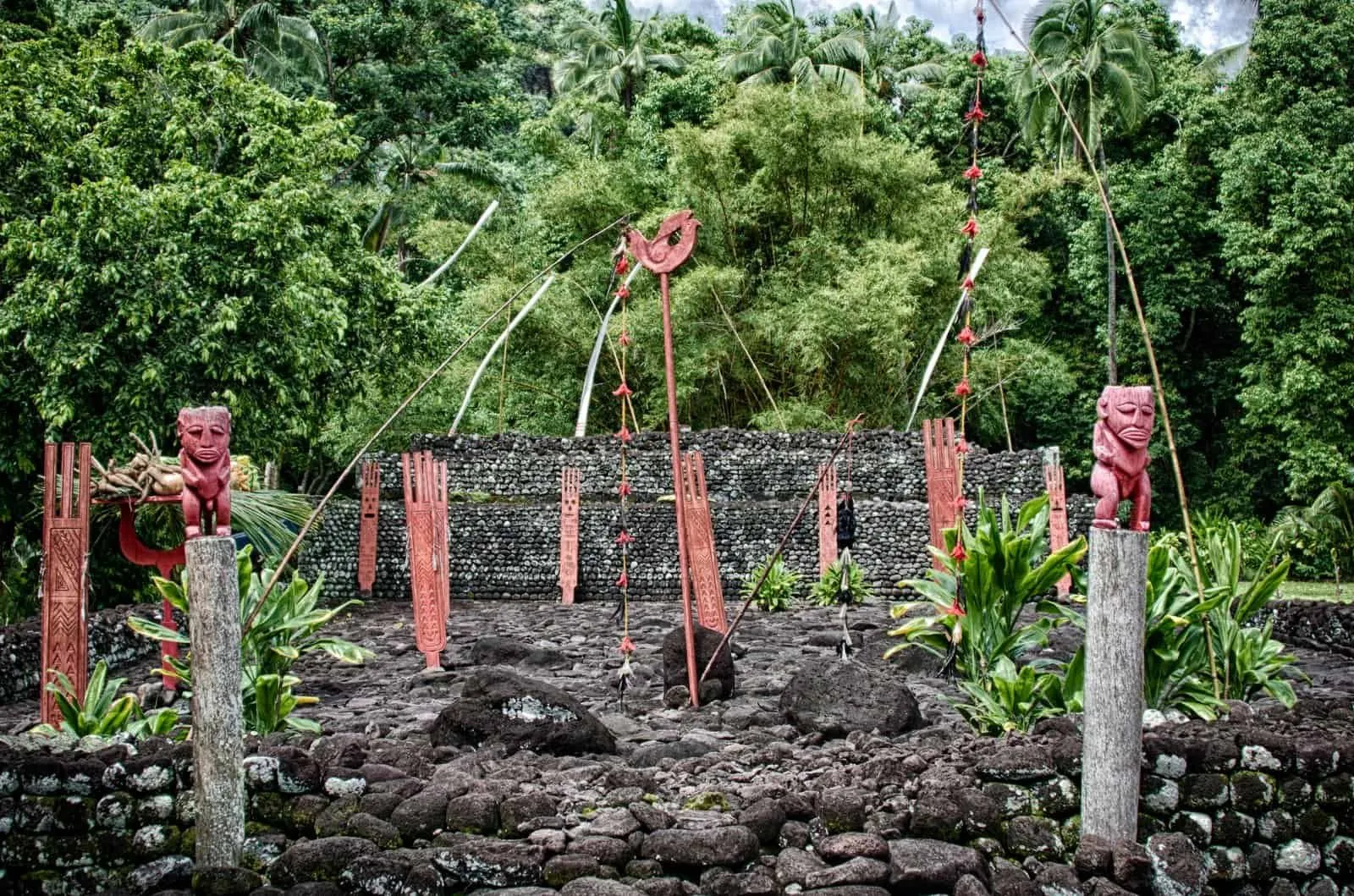
- Climb to the Belvedere. The lookout above Opunohu Valley faces both bays at once, with Mount Rotui between them. The road up passes pineapple fields and some of the island's restored marae (pre-European temple platforms).
- Walk into the interior. Trails like the Three Coconuts pass cross the green heart of the island - shaded, muddy after rain, and worth every step.
- Go around the island. Take the coast road slowly: fruit stands, churches, surf breaks at Haapiti, and a different mountain profile at every kilometre.
Where to stay
The northwest corner (Hauru Point and Tiahura) has the beaches and most of the lagoon activity. Cook's Bay and Maharepa are the island's little hub, handy for shops and the ferry road. Haapiti on the west coast is quieter and loved by surfers. You'll find every type of stay, from family pensions - often the warmest way to meet the island - to resorts on the lagoon.
Is Moorea for you?
Moorea is the right island if you want mountains and lagoon in the same day, real village life, and things to do every single day of your stay. It is not the island for total seclusion: it is close to Tahiti, well visited, and the coast road is a living road. If what you're after is atoll silence and nothing on the horizon, look at the Tuamotu - and come to Moorea to be busy outdoors.
Practical tips
- Rent your wheels early in high season - the island is bigger than it looks from the ferry.
- Bring reef-safe sunscreen; the lagoon is the island's treasure.
- Carry some cash for fruit stands and small snacks.
- Trails cross private or protected land in places - stay on the path, and go with a guide for the interior routes.
- Sunday morning is quiet: shops close, churches sing. Plan around it, or better, listen.
That is Moorea.
5 places · 17 guides · 6 things to know