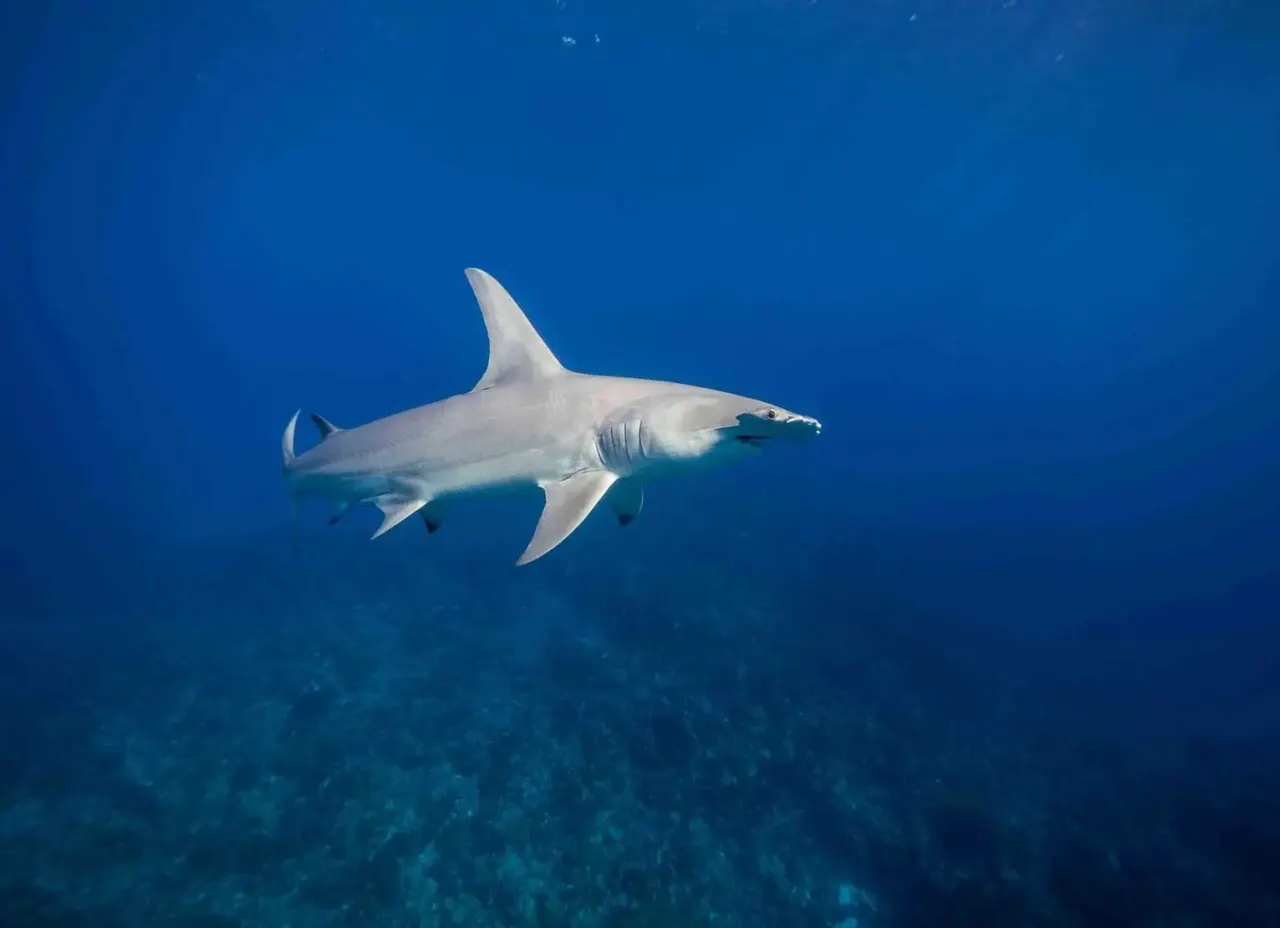
A UNESCO Biosphere Reserve, Fakarava is renowned for its exceptionally healthy coral reefs and extraordinary biodiversity. Divers travel from around the world to witness massive schools of fish and hundreds of grey reef sharks, while visitors also enjoy pink-sand beaches, cycling, and peaceful village life.
Fakarava in pictures
 Tahiti TourismeTahiti Tourisme
Places on Fakarava
2The south pass of Fakarava, at Tetamanu.
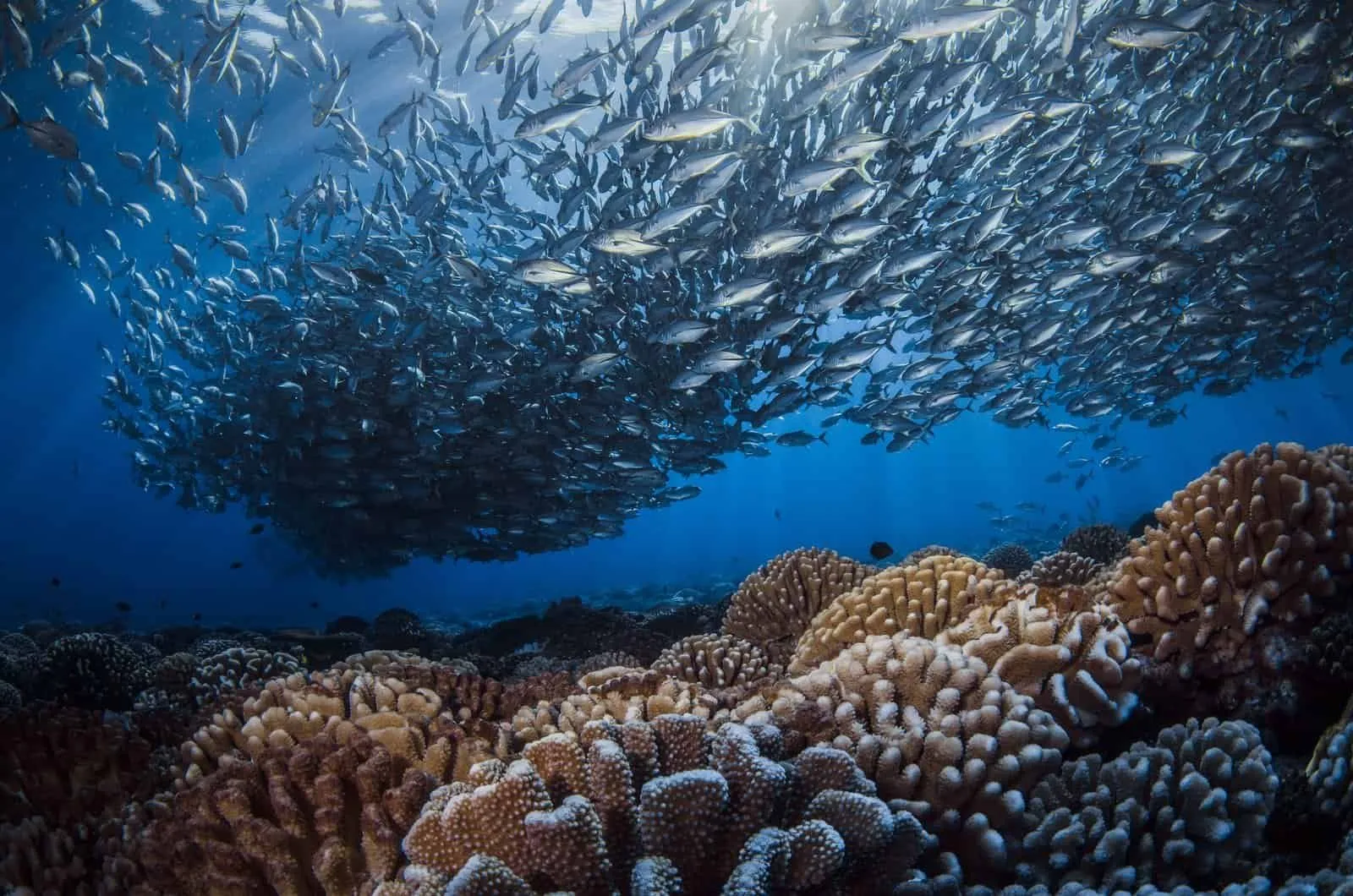
The south pass of Fakarava, at Tetamanu. Divers come from all over the world for its wall of grey reef sharks, in a lagoon that is a UNESCO biosphere reserve. One for experienced divers.
The oldest pearl farm still working on Fakarava, at the Havaiki guesthouse.
The oldest pearl farm still working on Fakarava, at the Havaiki guesthouse. You pull up a strand of oysters, pick one and open it, watch a grafting demonstration, then taste korori, the oyster’s muscle, with lemon.
While you plan
Worth reading
 Travelling between the islands of Tahiti: how do I book a ticket?3 min
 Dangers you may encounter in Tahiti1 min
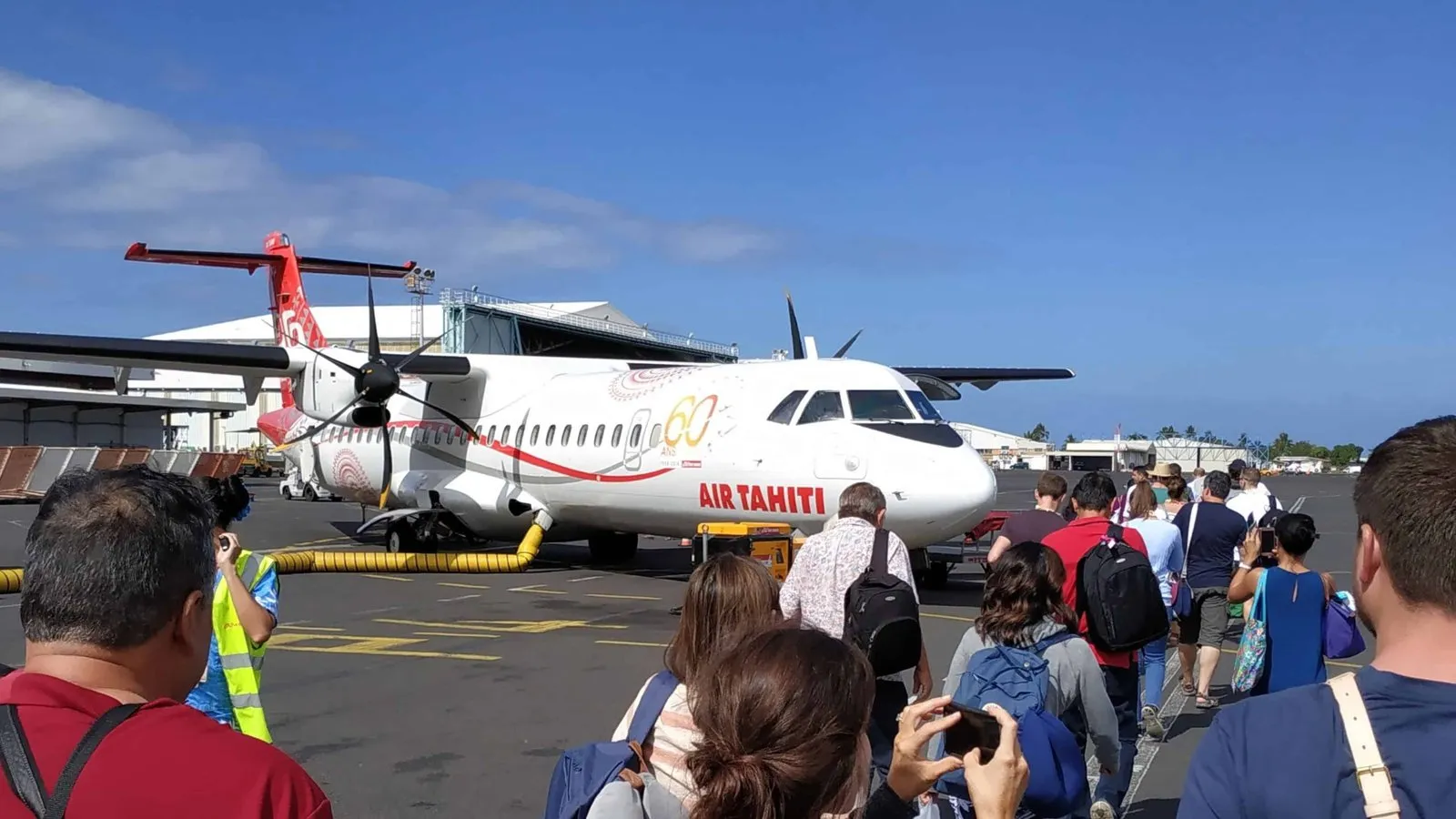 Tahiti airport: all the practical information3 min
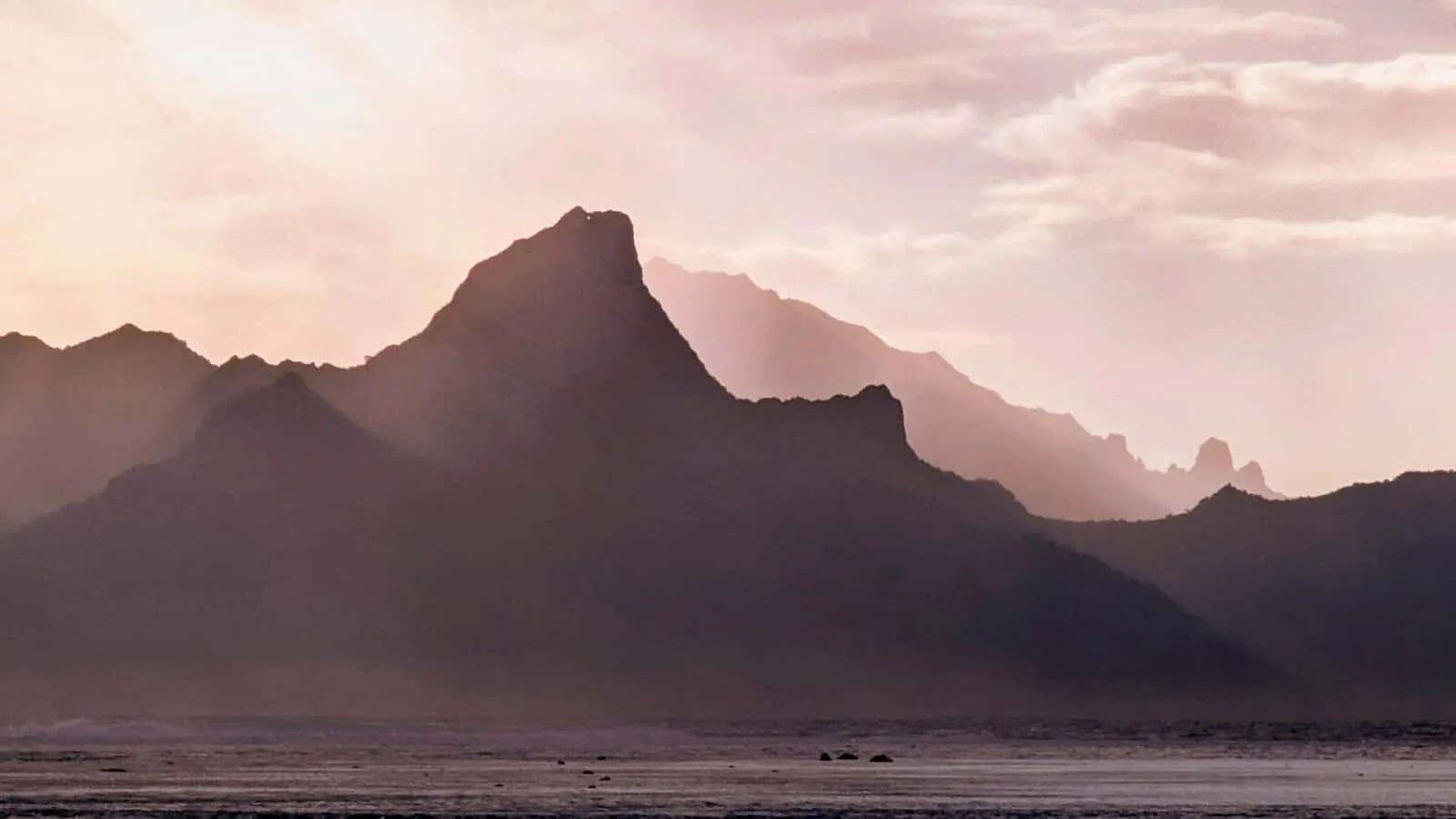 Polynesia: 8-day itinerary in the footsteps of legends7 min
In depth
Fakarava : Everything You Need to Know Before You Go
Where is Fakarava located?
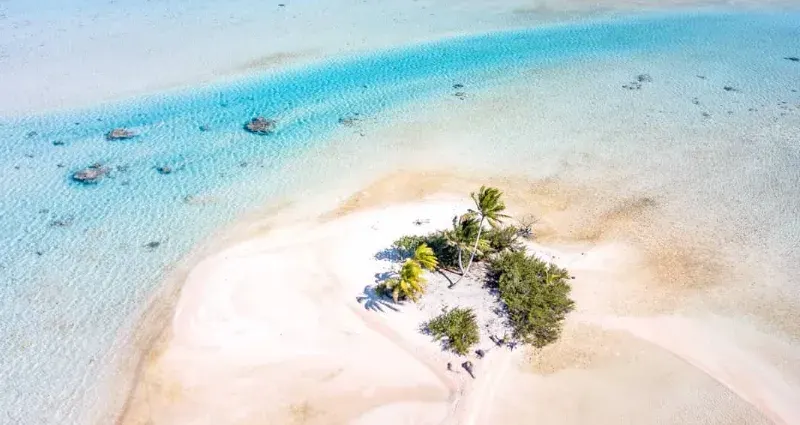
Fakarava is an atoll in the Tuamotu archipelago, a dream destination for travelers looking for a more wild, more authentic paradise - far from the crowds. People come for its vast lagoon in unreal shades of blue, for its two legendary passes, and for the protected nature that sets the tone: you’re in her home, not the other way around. Fakarava is part of a UNESCO Biosphere Reserve, along with several neighboring atolls.
How do you get there?
Regular flights operate from Papeete. Fakarava Airport’s code is FAV, and the flight time from Tahiti is usually around 1 hour 10 minutes (it can vary depending on the schedule).
Even the arrival offers a spectacular first glimpse of the lagoon and the coral reef.
Practical tip: book early in high season (and if you’re planning Tuamotu “island hopping,” lock in your flights first, then your guesthouses and activities).
When should you go?
Overall, in French Polynesia, the driest and most pleasant season runs from May to October (milder temperatures, less humidity).
- May → October: ideal for traveling - lagoon activities, diving, hikes and walks.
- November → March: a wetter season (lush green landscapes, sometimes more rain), with amazing photo opportunities but less stable weather.
What to do?
1. Explore the lagoon and the motu
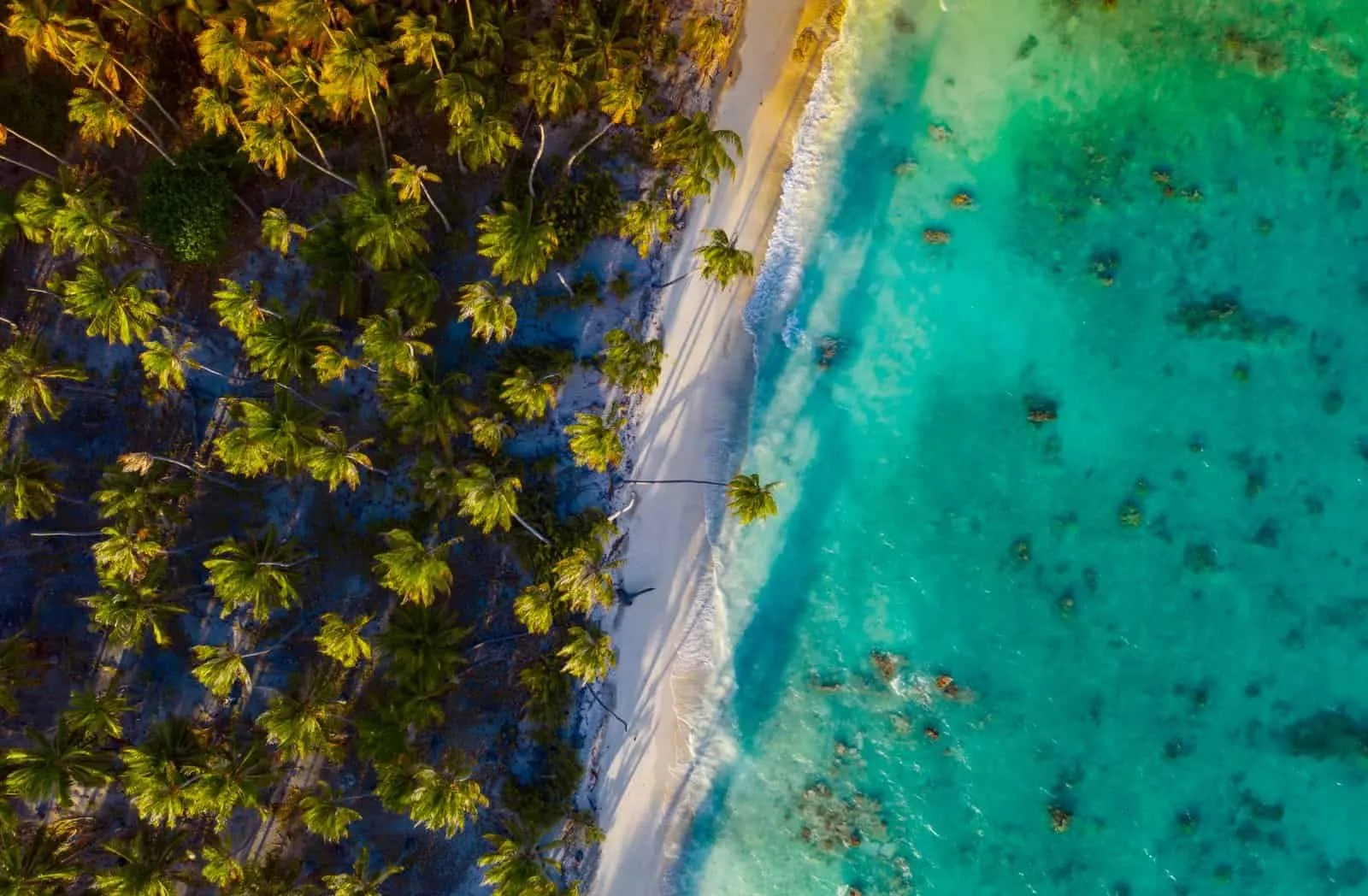
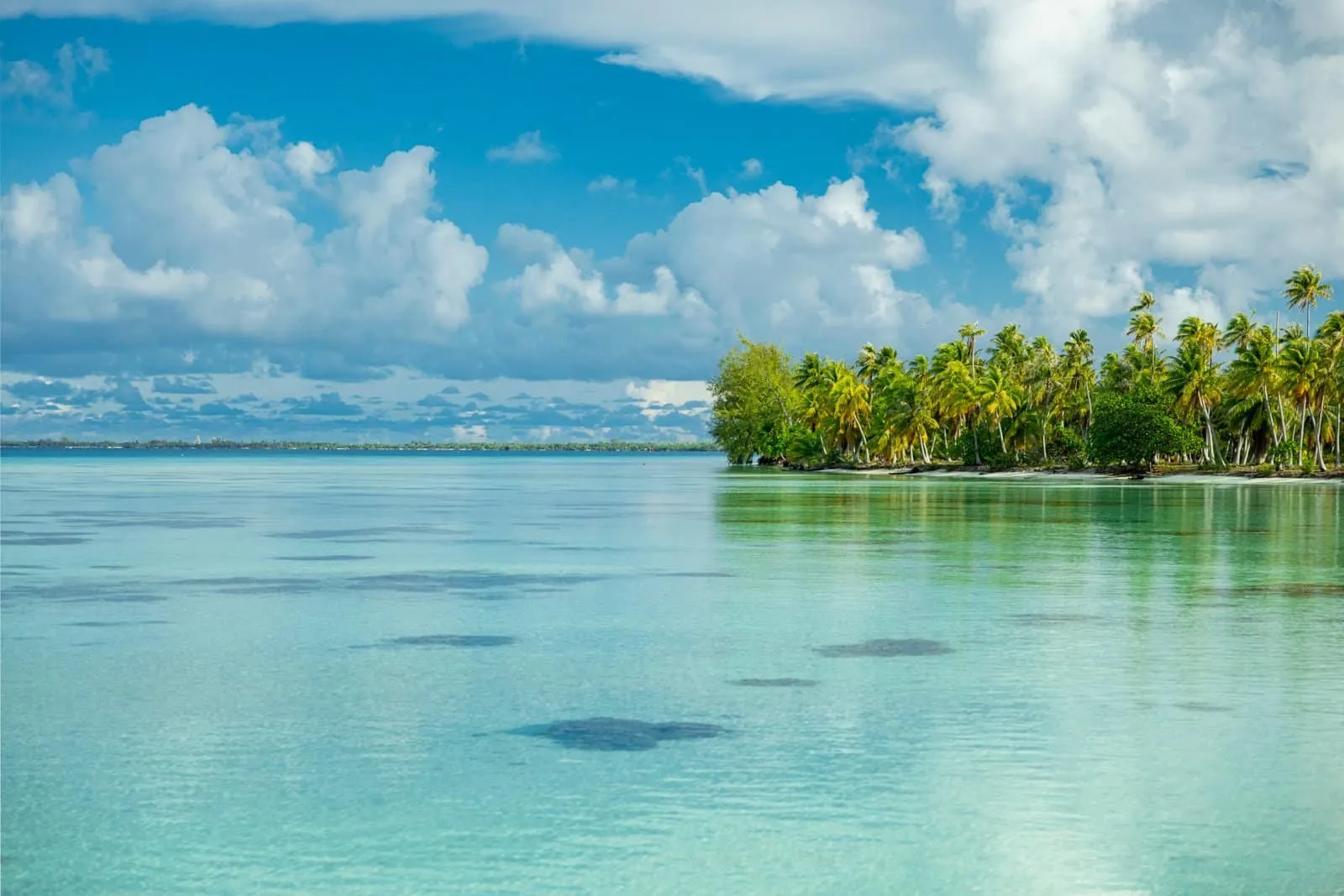
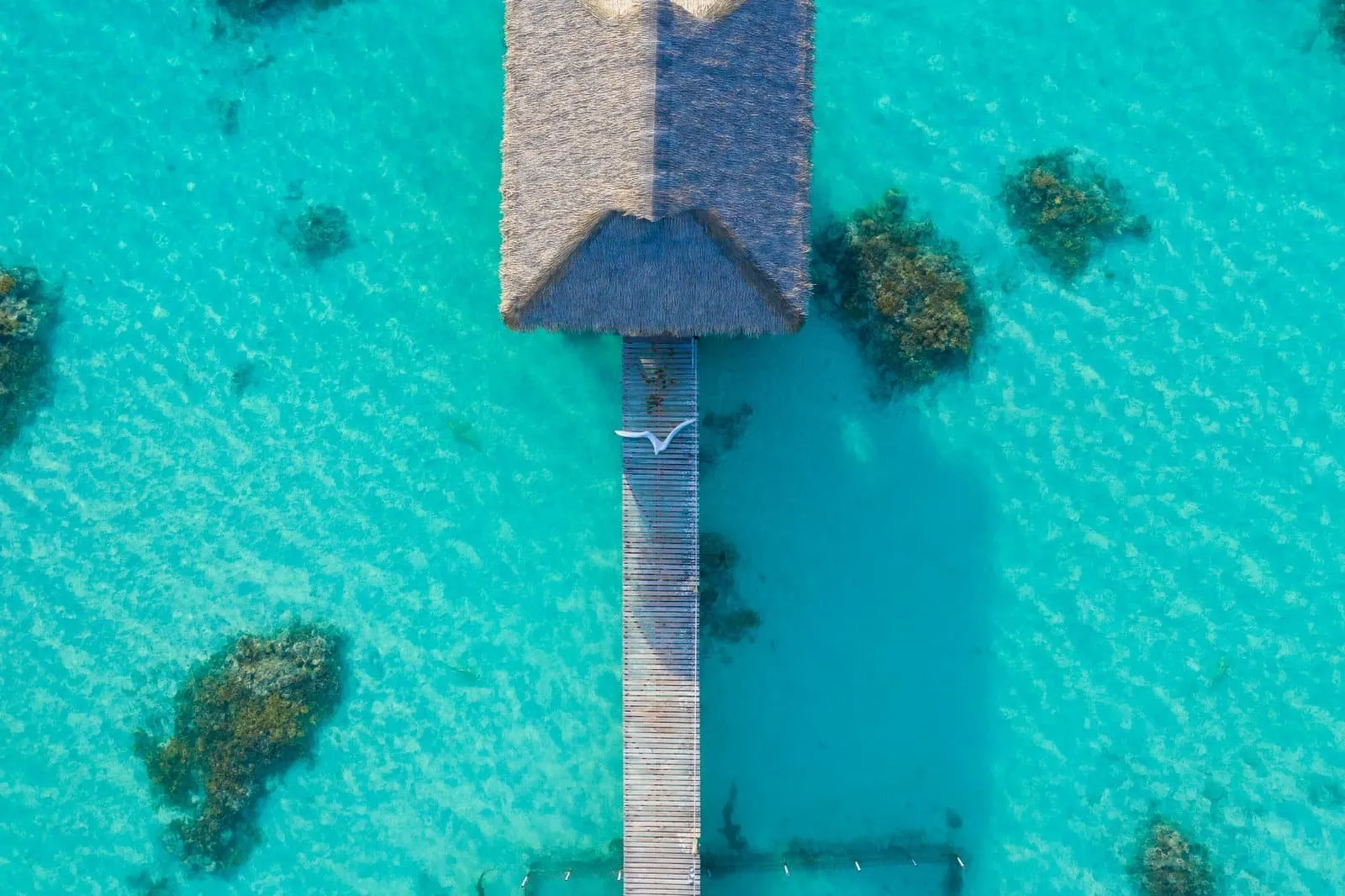
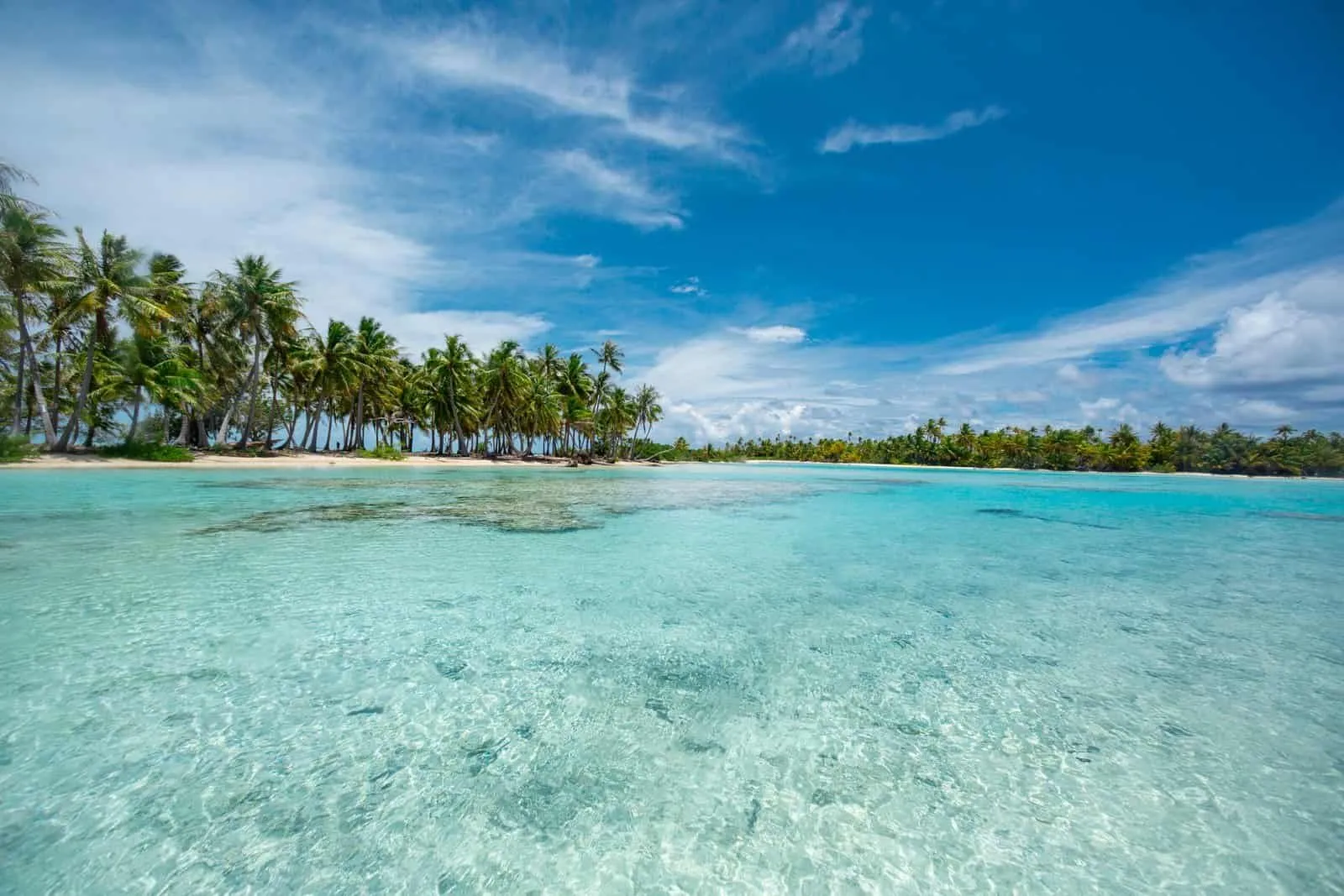
This is the “signature” activity for everyone: swimming, a picnic on a motu, boat trips, paddleboarding… The lagoon is the heart of the journey. Excursions are perfect for reaching areas that are otherwise hard to access. In this preserved environment, it’s easy to spot tropical fish, rays, sea turtles, and sharks.
2. Snorkeling: an open-air aquarium
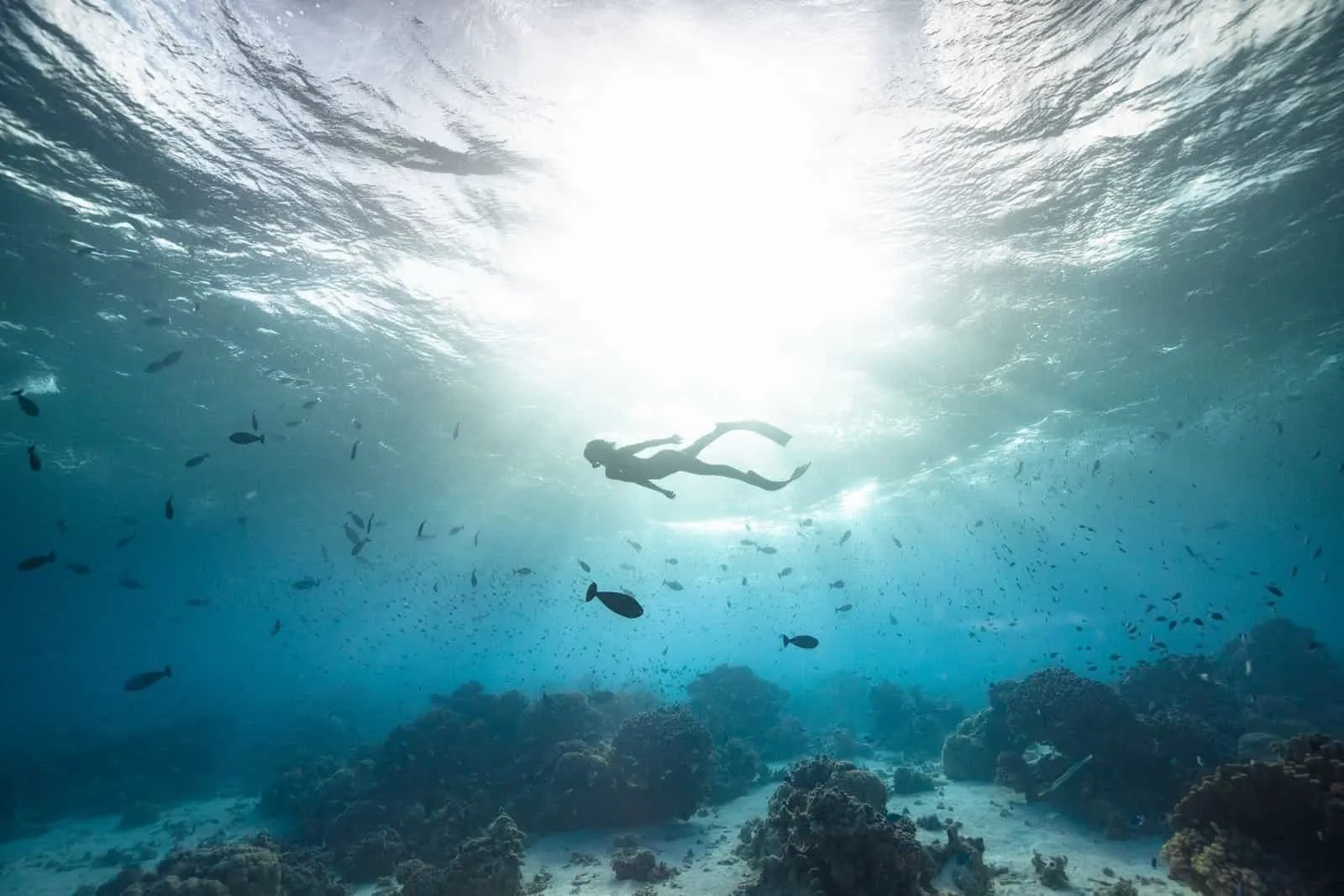
Even without scuba gear, Fakarava is an incredible spot: tropical fish, coral heads, coral gardens…
3. Scuba diving
Fakarava is famous for diving in its passes:
- Garuae Pass (North): often described as the widest in French Polynesia (around 1.6 km wide according to some sources), with great encounters depending on conditions.
- Tumakohua Pass (South): narrower, highly popular for drift dives, with trips organized according to the tide.
Safety tip: pass dives depend heavily on tides and the diver’s level. Always go with a certified dive center/guide.
3. Bike around the island (or take it slow)
Fakarava is meant to be enjoyed at an easy pace. In some areas, biking is a great option: you can stop whenever you want, take in the viewpoints, and experience the atoll at the local rhythm.
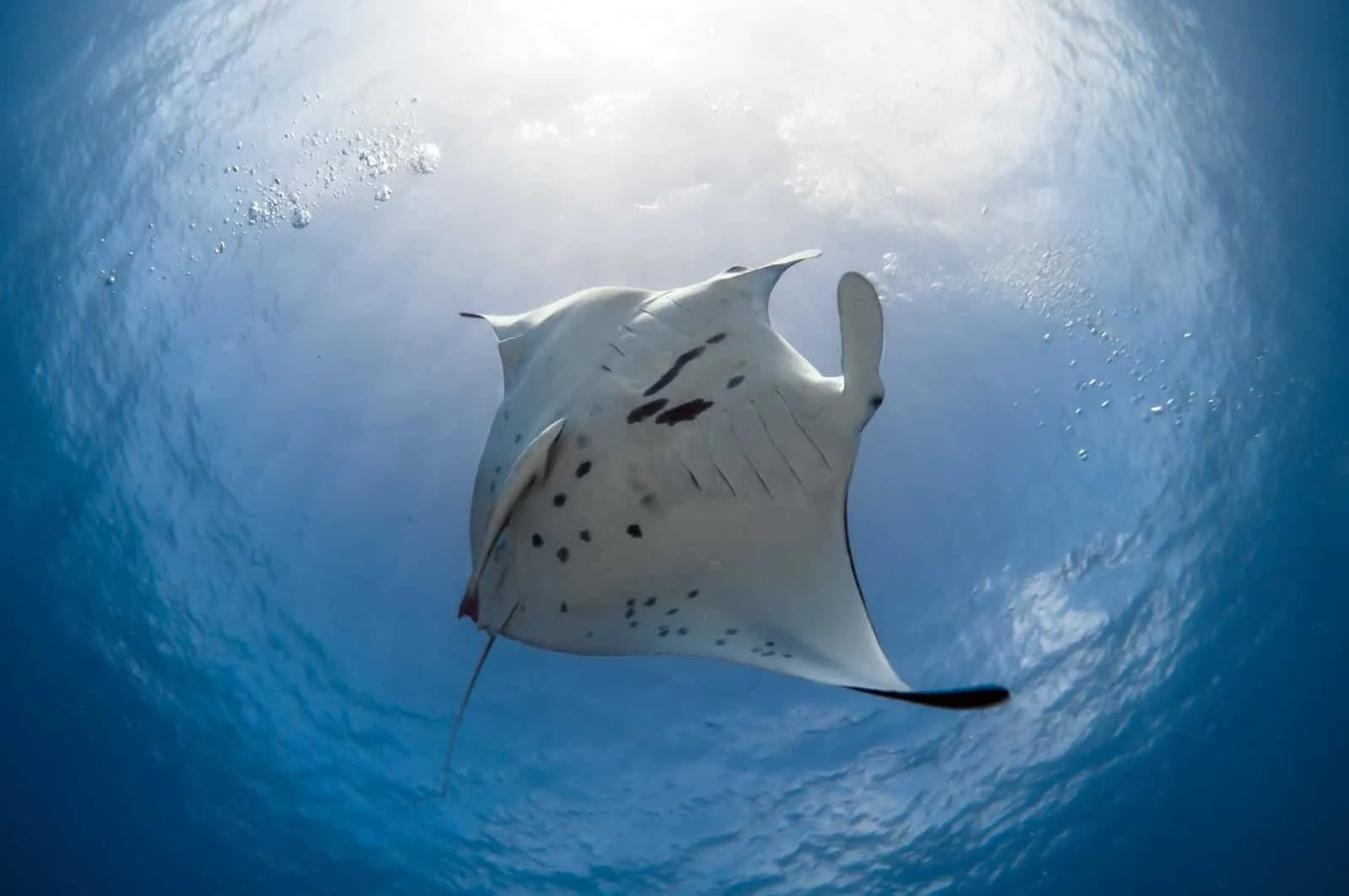
Diving
Dive in the Garuae and Tumakohua passes
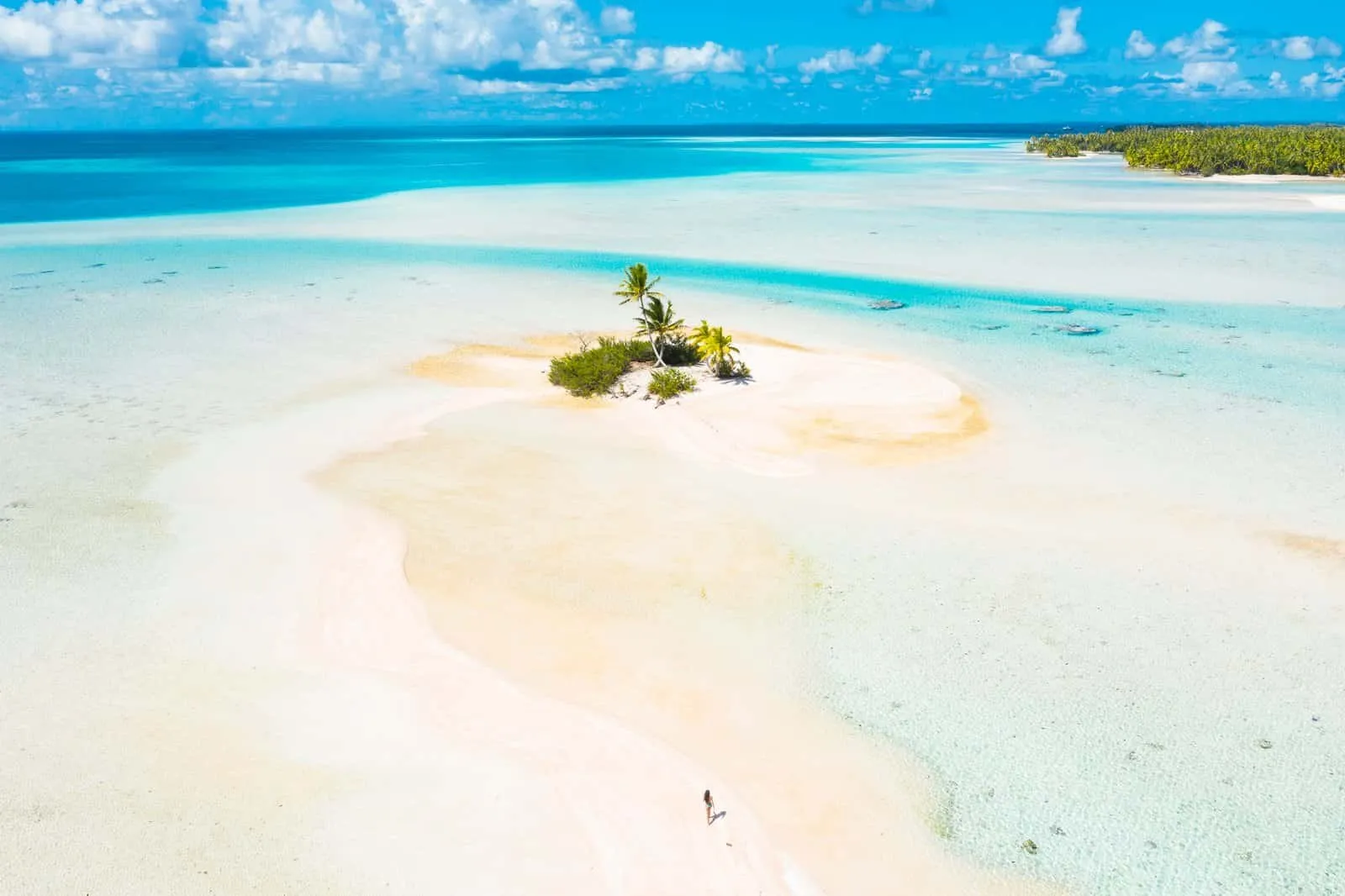
Excursion
Go on an excursion to the wild motus
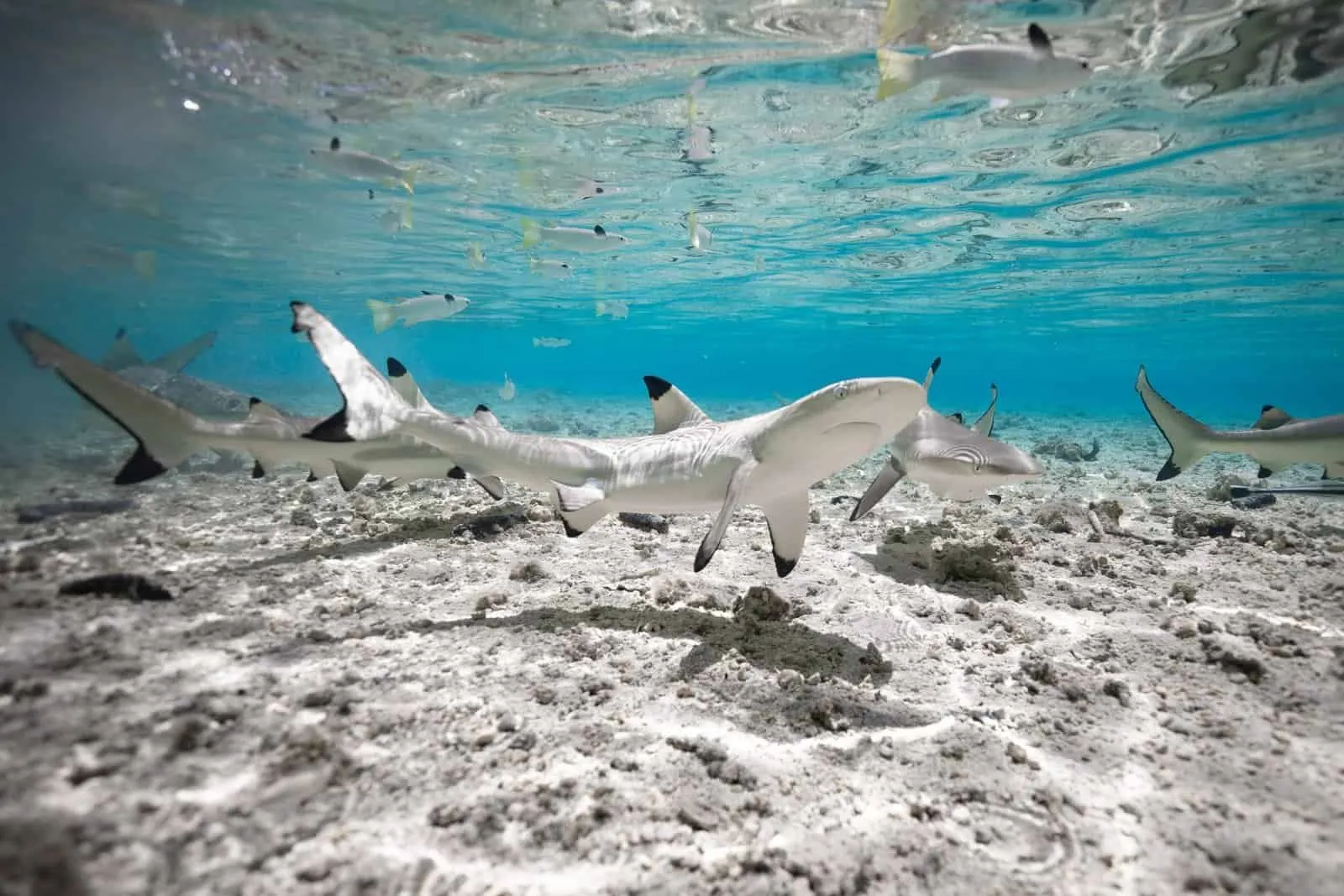
Snorkeling
Go snorkeling in the crystal-clear lagoon
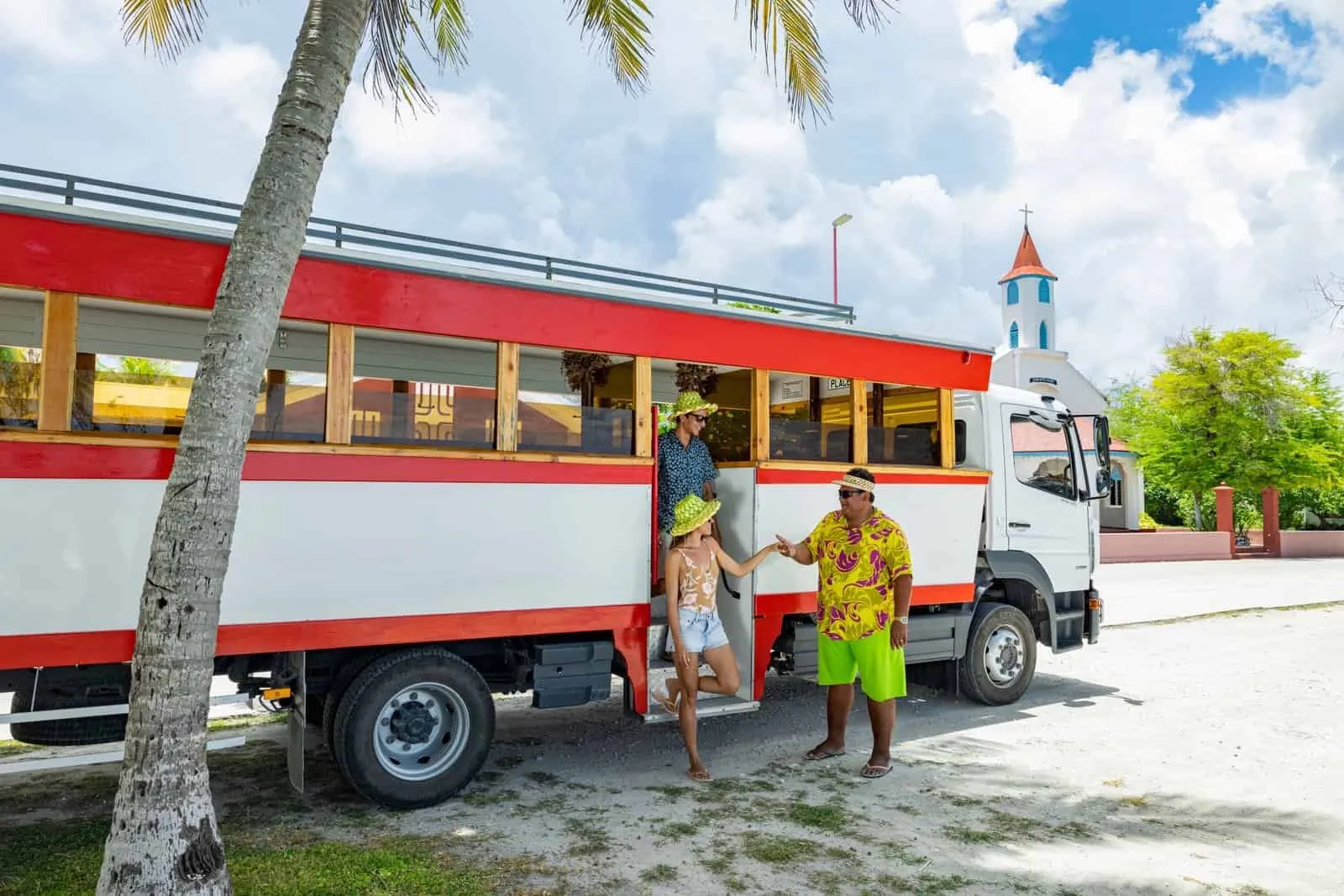
Village
Visit the village of Rotoava
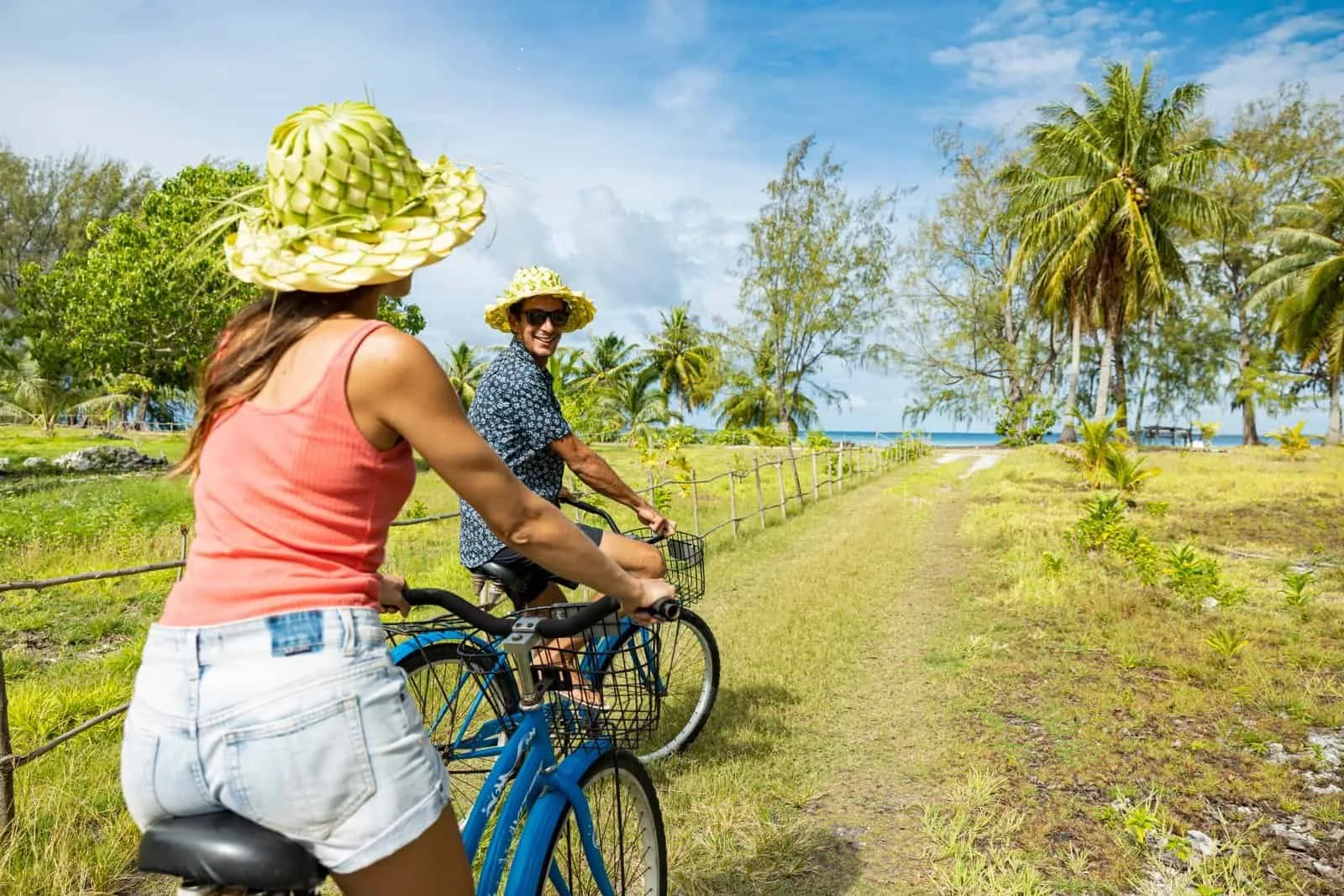
Ride
Cycle around the atoll between the lagoon and coconut trees
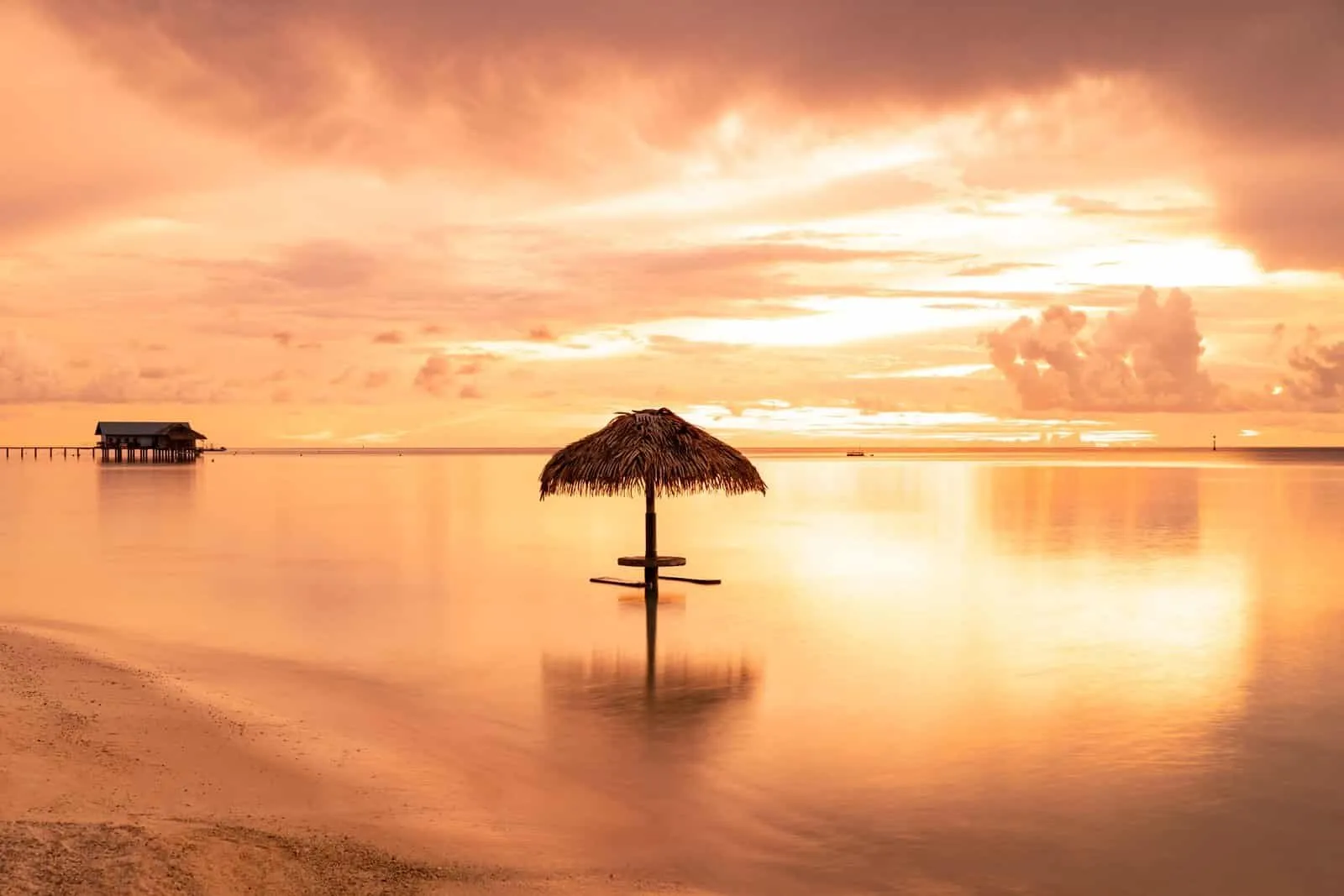
Sunset
Watch the sunset over the lagoon
FAQ
Is Fakarava worth it if you don’t scuba dive? Yes: lagoon time, snorkeling, beaches, biking, relaxing, and a “slow” vibe.
How many days do you need to visit Fakarava? At least 3 days. The best balance: 5 days. To really unplug: 7 days.
Where to stay? Most common: family-run guesthouses (authentic vibe, great local tips).
Written by Kulani Brown
That is Fakarava.